Waking up with neck stiffness or shoulder tension is a common complaint amongst Australians. Often, the culprit isn’t your mattress — it’s your pillow. The wrong pillow can throw off your spinal alignment, causing unnecessary strain on your neck muscles and affecting the quality of your sleep.
At Sealy, we’ve spent decades studying how sleep posture and spinal support impact overall wellbeing. Our research shows that even minor misalignment can lead to long-term discomfort. Fortunately, there are steps you can take to improve your nightly comfort, starting with choosing the right pillow. This can make all the difference, helping you rest easier and wake up pain-free.
In this guide, we’ll explore what causes neck pain whilst sleeping, what makes a pillow good for neck support, and how to choose the right one for you.
Neck pain during sleep usually stems from poor spinal alignment. If your pillow is too high, too low, or too soft, it can cause your head to tilt unnaturally, placing uneven pressure on your neck and shoulder muscles. Over time, this misalignment can result in headaches, stiffness or chronic pain.
Key factors to note:
Pillows that are too soft or too high strain the neck and upper spine.
Poor posture during sleep can trigger tension headaches and shoulder discomfort.
Persistent stiffness may indicate your pillow no longer offers adequate support.
The importance of spinal alignment
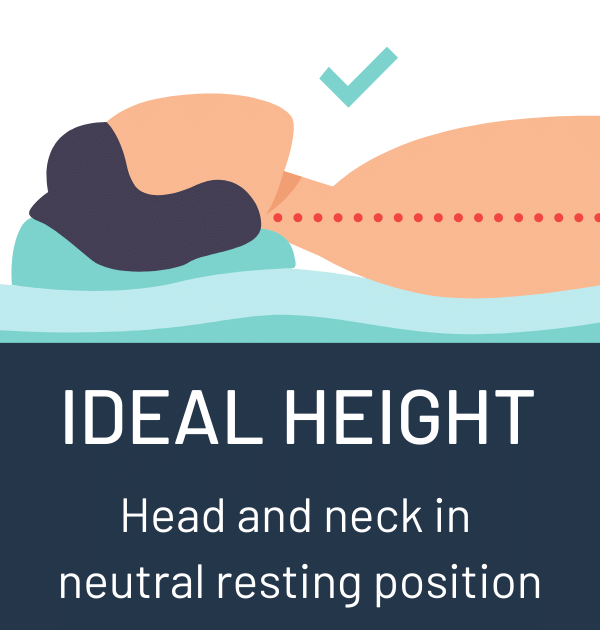
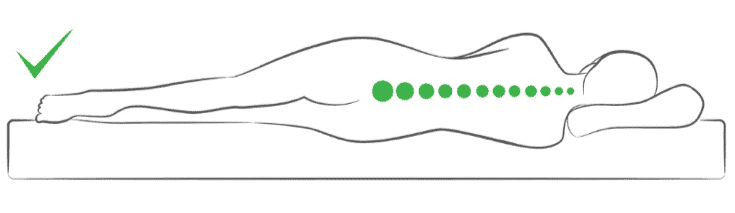
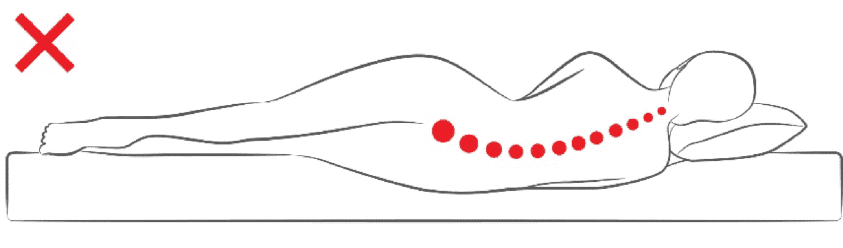
Neutral alignment means keeping your head, neck, back and lower lumbar region in a relatively straight line while you sleep. This safeguards the natural curvature of your spine lying down, allowing surrounding muscles to relax and recover. Our ongoing research into posture and pressure relief has shown that even a slight deviation in alignment can cause strain.
A mattress that facilitates correct spinal alignment provides orthopaedic support for optimal health and comfort.
When your spine is not neutral, the muscles become strained, causing tossing, turning and discomfort.
This logic extends to your pillow. In order for your head, neck and shoulders to be properly supported, your pillow should offer correct support at the right angle for your sleep position, thereby preventing muscular aches and daily discomfort.
A well-designed pillow supports the natural curve of your neck, helping your spine stay balanced throughout the night.
What makes a good pillow for neck pain?
The right pillow for you depends on your sleep style and individual needs. Different materials provide different levels of comfort, durability, and responsiveness, while shape and loft play into your sleep position.
1. Fill Material and construction
Opt for a pillow that will be ideal for your needs. Stomach sleepers tend to need a softer, more pliable surface to prevent their neck from being forced into an unnatural position, so down pillows are often preferred in this case. Back and side sleepers fare better with more rigid or structured materials.
Pillow type
Feel & Support
Best for
Longevity
Memory Foam
Contours to your neck shape for tailored support
All sleepers
2–3 years
Latex
Bouncy, firm and naturally breathable
Side & back sleepers
3–5 years
Feather/Down
Soft and compressible
Stomach sleepers
1–2 years
Hybrid
Balanced comfort with foam and fibre blend
Mixed sleepers
3–5 years
Polyester
Soft, low-loft and compressible
Stomach sleepers
0.5–1 year
2. Height (Loft) and Comfort
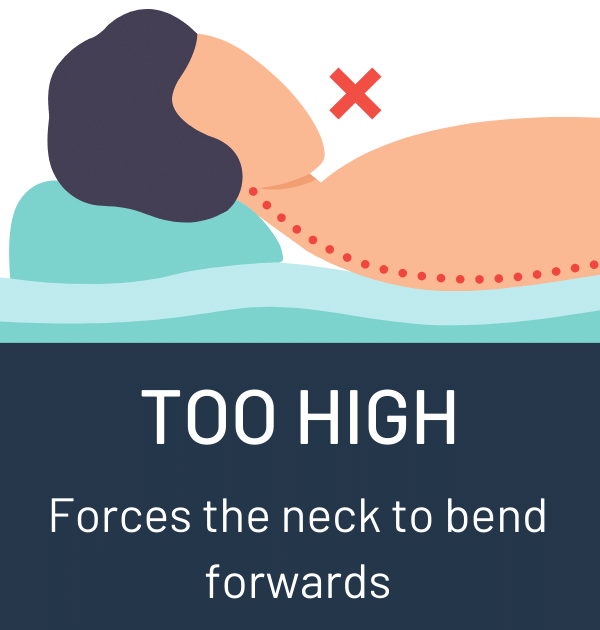
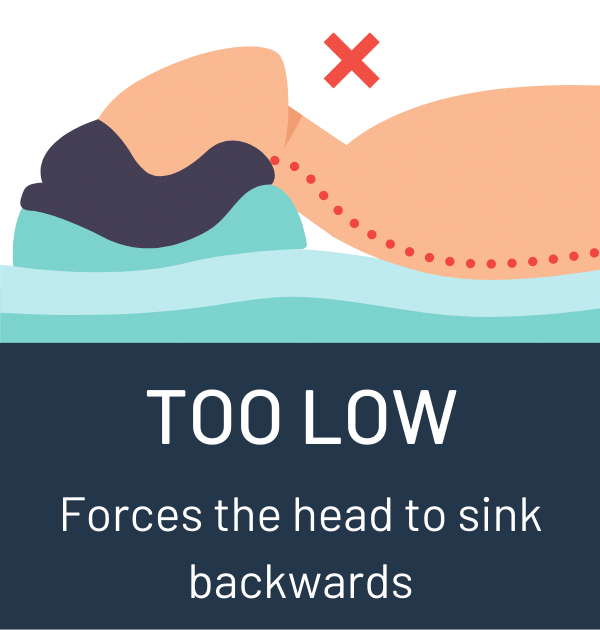
The right pillow height depends on how you sleep, but it should maintain a neutral spine at all times. Your pillow should be neither too high, forcing your neck into an unnatural position, or too low, forcing your head to drop down towards the mattress. Pillows tend to have different comfort levels (soft, medium and firm) and lofts (or height), helping you to narrow down your choices for the most appropriate fit. See the table below.
3. Shape
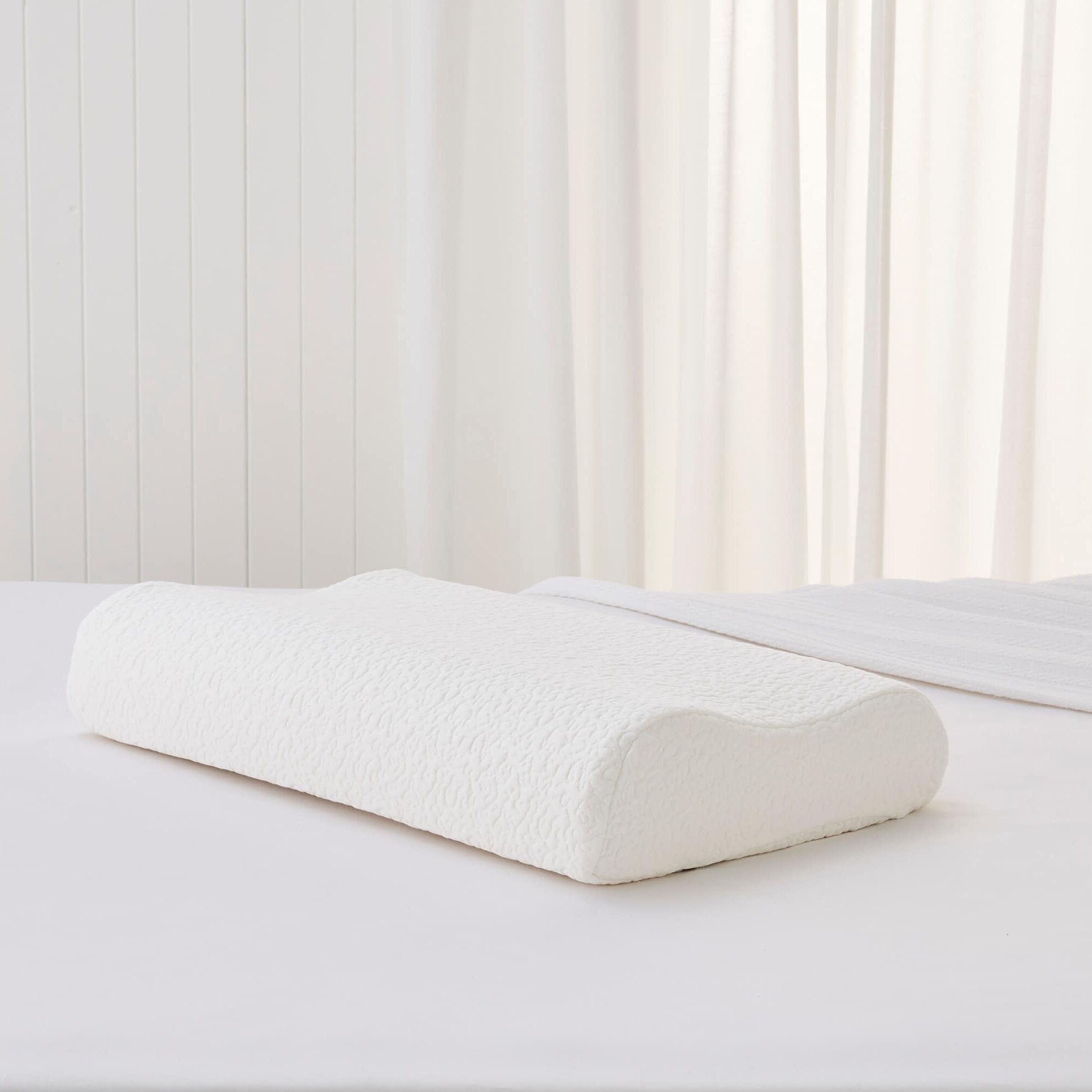
In addition to fill, comfort and height, pillows also come in several shapes. The most common is a standard pillow, but contour pillows and curve pillows are designed to accommodate different sleep positions and needs. A contour pillow is higher on one side, while a curve pillow is more of a U shape, both designed to cradle the neck for spinal support and add comfort for back and side sleepers.
Sleeping Position
Loft
Comfort
Shape
Why It Matters
Side Sleepers
Medium – High
Firm – Medium
Standard Contour Curve
Keeps neck and shoulders aligned
Back Sleepers
Medium
Firm – Medium
Contour Curve
Supports the neck’s natural curve
Stomach Sleepers
Low
Soft
Standard
Prevents upward strain on the neck
4. Care and Longevity
Cleanliness and long-term care play a key role in consistent support. A good pillow is one that you can wash, dry and use with protectors and pillowcases to maintain comfort and hygiene. For more information, read our Tips for Washing and Caring for Your Pillow.
It is important to note that even premium pillows lose their integrity over time. Polyester pillows need to be swapped out after 6-12 months; most other types should be replaced every 2–3 years. Using a pillow for longer than its standard lifecycle runs the risk of reduced support, causing poorer sleep, and in some cases it may no longer be hygienic.
How to choose the right pillow for you
Choosing the perfect pillow can feel like a long-winded and frustrating search with the abundance of sizes and shapes on the market.
These are a few simple steps to help you narrow down your choices:
Identify your sleep position (side, back or stomach, or perhaps a combination).
Check if your current pillow feels uneven or flat. If it is polyester or down, it may be too soft for your needs, and it is a good sign that you need a more supportive type of material.
Choose a pillow height (loft) that is best suited to your sleep position.
Opt for breathable, supportive materials like memory foam or latex if you are a back or side sleeper.
Look for designs that promote spinal alignment and relieve pressure. For more information, read our guide on How to Choose a Pillow.
When to replace your pillow
If you’re waking up tired or sore, it may be time for a new pillow. A simple test is to fold your pillow in half (if it’s not a solid foam pillow) and let it go. If the pillow doesn’t spring back to a flat position, then it has likely lost its supportive properties and needs to be replaced.
Signs your pillow needs replacing:
Visible flattening or sagging
Obvious lumps or misshapen filling
Stains that won’t come off with washing
Morning neck stiffness
Persistent discomfort or headaches
Expert-backed tips for preventing neck pain
Simple habits can make a big difference in preventing recurring discomfort and improving overall sleep quality.
Keep your head aligned with your shoulders. Avoid craning forward or upward, especially when using your phone or reading in bed, or conducting repetitive tasks throughout the day. Maintaining a neutral position helps reduce strain on your neck over time.
Stretch gently before bed to ease neck tension and help your muscles relax after a long day, promoting deeper, more restorative sleep.
Avoid stacking multiple pillows, as this can push your neck into an unnatural angle and lead to stiffness in the morning.
Pair your pillow with a supportive mattress for balanced pressure relief and proper spinal alignment throughout the night, helping your body recover effectively.
Sealy’s recommended pillows for neck support
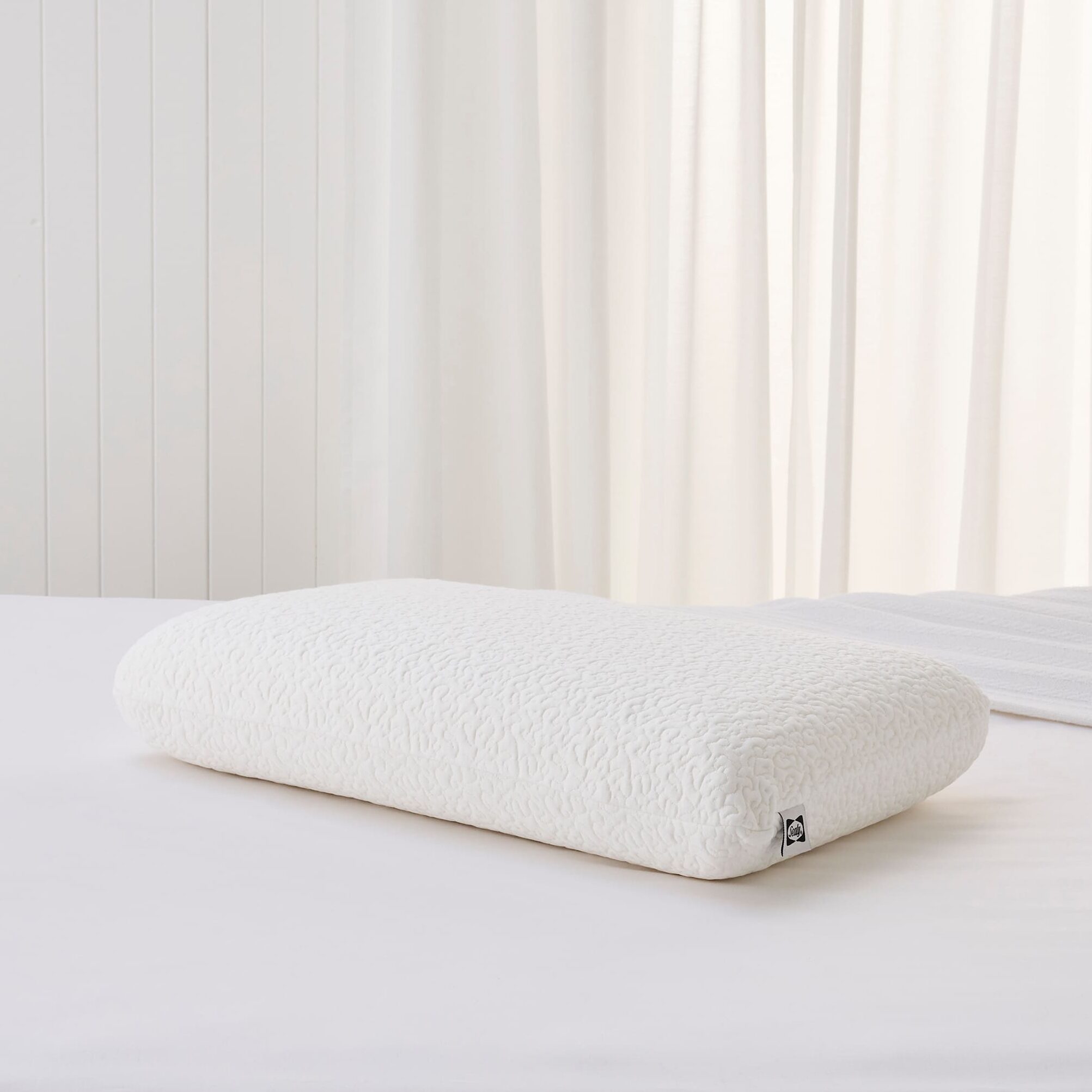
Sealy Traditional Pillow
A generous feeling pillow that conforms to the contours of your head, neck and shoulders. This suits all sleepers. Available in memory foam or gel-infused foam.
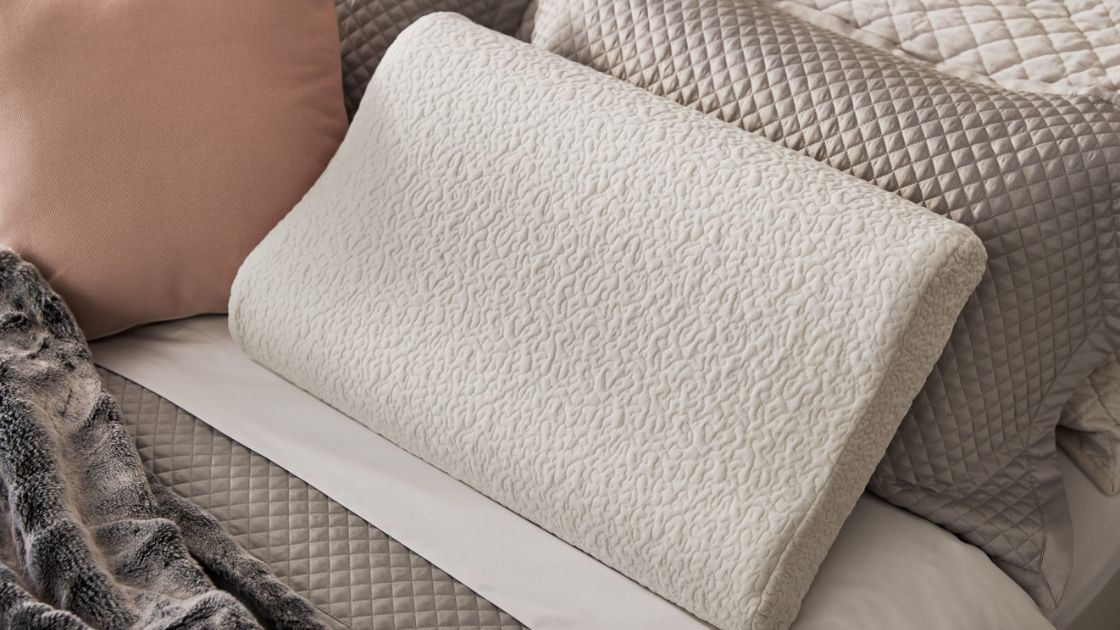
A structured pillow shape has an arch designed to sit against the neck. This is best suited for back and side sleepers. Available in memory foam or gel-infused foam.
A medium-firm pillow made from memory foam or latex offers the best balance of contouring and support for neck alignment for the majority of sleepers.
Is a soft or hard pillow better for neck pain?
Medium-firm pillows are ideal for neck pain, as they support the head without allowing it to sink too deeply. The exception is stomach sleeping, where a softer pillow may be more suitable.
What sleeping position helps neck pain the most?
Sleeping on your back or side keeps your spine and neck naturally aligned, reducing pressure and stiffness.
How often should you replace your pillow?
Every 6-12 months if polyester, or 2-3 years depending on wear and material quality. This is to maintain hygiene and supportive structure.