What is the cause of drooling in sleep, and how to stop?
31/03/2026
Drooling during sleep is common amongst Australians and people around the world. It happens when saliva builds up and escapes from the mouth during rest, often due to sleep posture or nasal congestion. For some, it is simply how their body naturally produces saliva.
While it’s harmless in most cases, consistent or excessive drooling can interrupt your sleep, irritate the skin around your mouth and sometimes signal an underlying condition.
With simple lifestyle adjustments, you can manage drooling and wake up feeling fresher.
Everyone produces saliva while sleeping – it’s part of your body’s natural process to keep your mouth and throat moist. However, when too much saliva accumulates or isn’t swallowed properly, it can escape from the corners of your mouth.
For most people, this happens due to sleeping position, allergies or nasal congestion. But in some cases, chronic drooling (also called sialorrhea) may be linked to health or neurological conditions.
Common causes of drooling
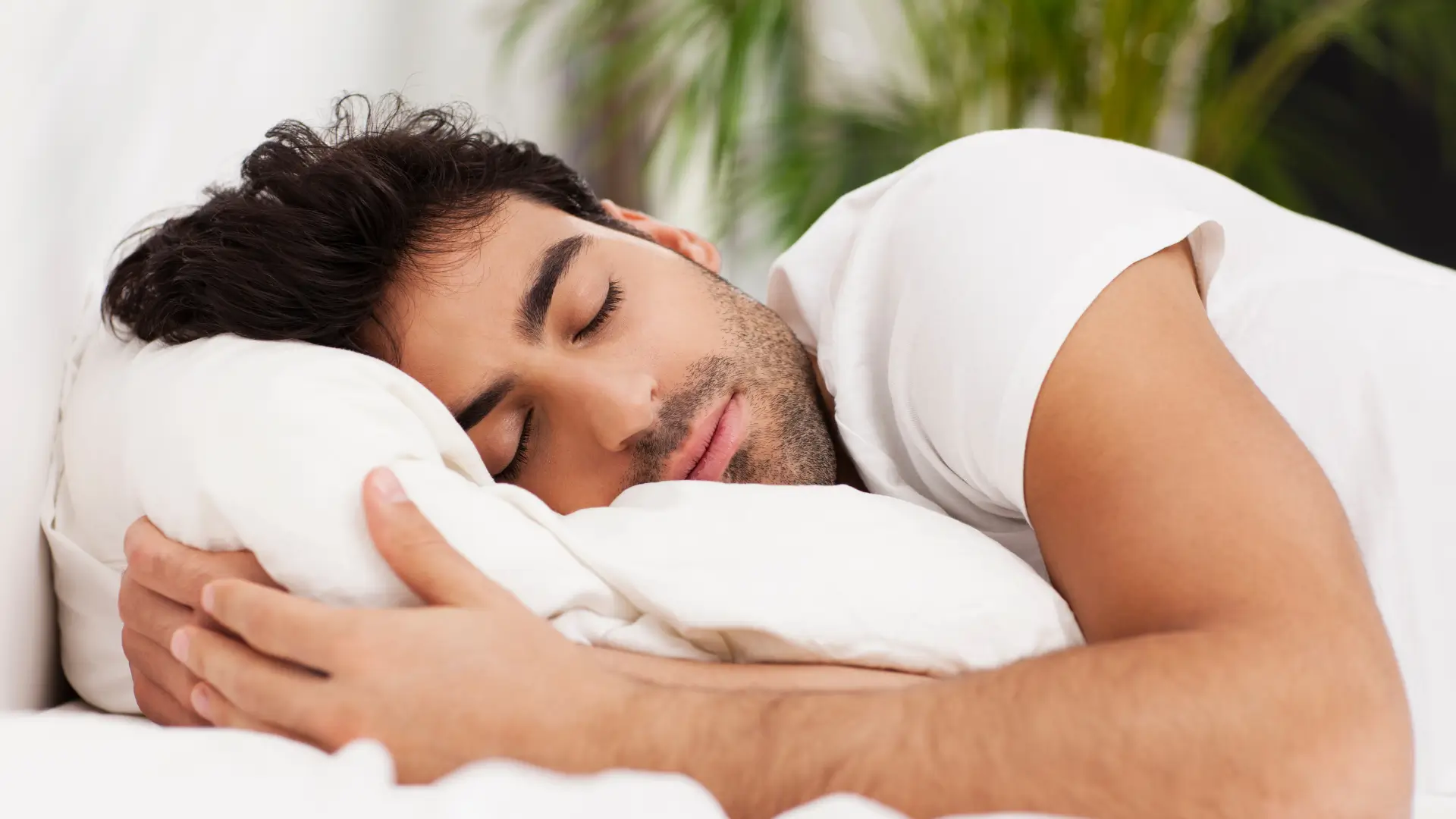
Sleeping on your side or stomach: Gravity causes saliva to pool and escape when you’re lying sideways or face-down, especially if your mouth naturally falls open during sleep.
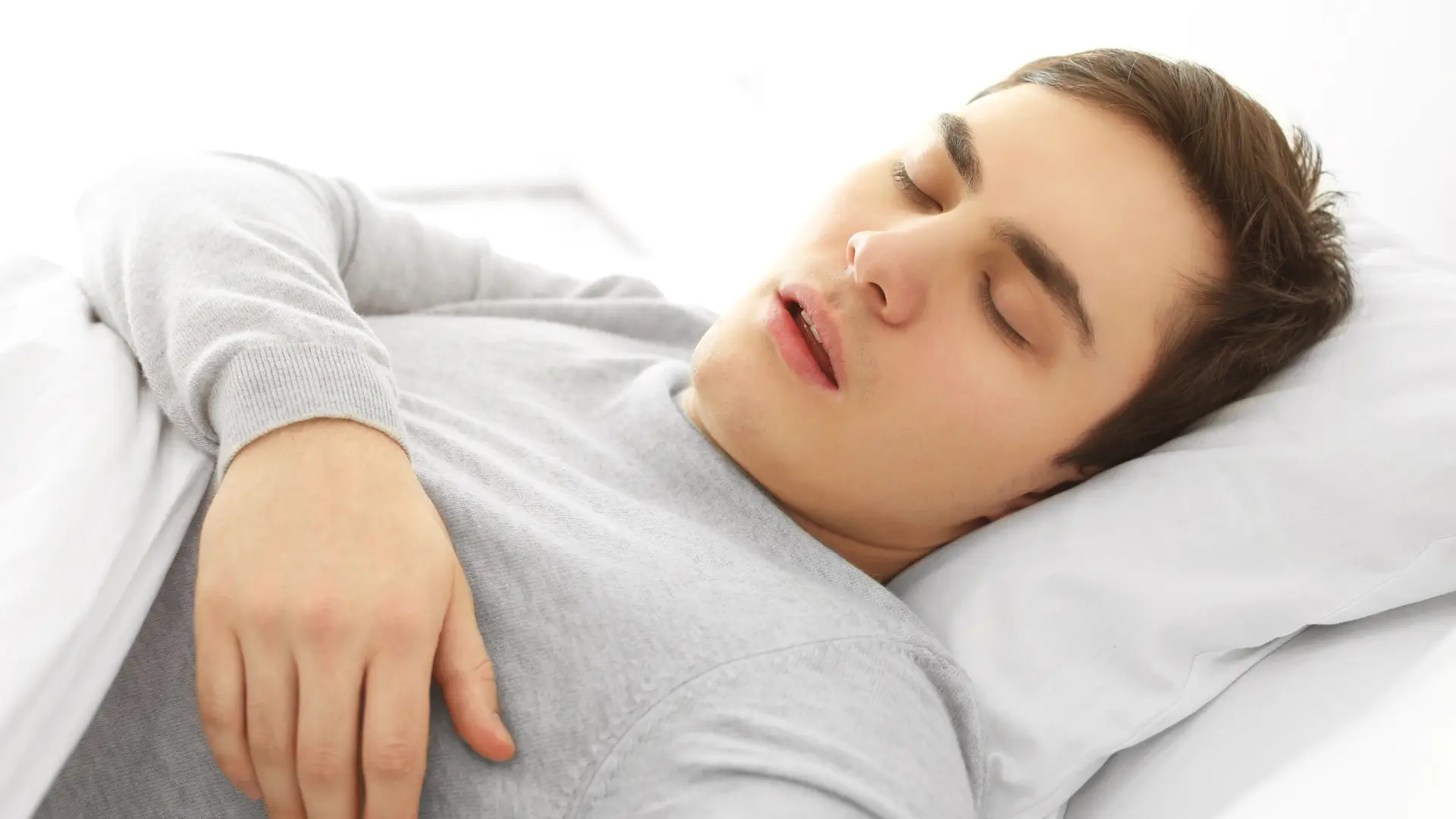
Allergies and nasal congestion: Blocked nasal passages make it harder to breathe through your nose, forcing mouth breathing and increasing the likelihood of drooling.
Medications that increase saliva production: Certain drugs, such as those used for treating depression, Alzheimer’s or seizures, can boost saliva flow as a side effect.
Sinus infections or acid reflux: Conditions that inflame the nasal passages or throat can affect swallowing and increase drool buildup.
Dental or jaw alignment issues: Misaligned teeth or an uneven bite can prevent your lips from closing fully, making drooling more likely during sleep.
Obstructive sleep apnoea: This sleep disorder causes pauses in breathing that can alter muscle control in the mouth and throat, leading to drooling.
Bruxism (teeth grinding): Tension and jaw activity at night can overstimulate salivary glands, especially if paired with an open-mouth posture.
Underlying conditions: Some neurological disorders (like Parkinson’s disease or stroke) or digestive issues (like GERD) may also contribute to excess drooling.
Is drooling in sleep normal?
For most people, drooling in sleep is perfectly normal. Occasional saliva release at night doesn’t mean there’s anything wrong with your health.
However, excessive drooling that disrupts your sleep or appears suddenly may indicate another issue. For instance, persistent nasal blockages, sleep apnea or muscle control problems can all affect saliva regulation.
When to pay attention and seek medical advice:
Drooling frequently disrupts your sleep quality
Pillows are soaked with saliva nightly
Drooling is accompanied by choking, gasping or snoring
It occurs alongside difficulty swallowing or neurological symptoms
How to stop drooling in sleep
The good news is that drooling in sleep can often be managed with simple adjustments. Start by changing your sleep position and addressing any underlying nasal or sinus issues. If drooling persists, a doctor can help rule out deeper causes.
1. Change Your Sleep Position
Sleeping on your back helps prevent saliva from pooling. You can also use a supportive pillow to keep your head slightly elevated, which makes swallowing easier during sleep.
2. Treat Allergies and Sinus Problems
Allergies or colds can cause nasal blockage that leads to mouth breathing. Using a saline rinse, nasal spray or humidifier can help keep airways open. If symptoms persist, antihistamines or allergy testing may be beneficial.
3. Stay Hydrated and Avoid Alcohol Before Bed
Dehydration can thicken saliva, while alcohol relaxes the muscles around your mouth and throat. Both can make drooling worse. Aim to drink enough water throughout the day and limit alcohol intake before bedtime.
4. Maintain Good Oral Posture and Dental Health
Good oral posture means your lips are closed, teeth slightly apart and tongue resting gently against the roof of your mouth. Practicing this can reduce drooling long-term. Regular dental checkups can also help correct bite issues that contribute to saliva escape.
Otherwise, custom oral appliances can reposition the jaw and tongue to improve airflow and reduce drooling. This may be especially helpful for people with sleep apnoea or jaw misalignment.
5. Try Speech Therapy
Speech or swallowing therapy strengthens the mouth and facial muscles responsible for managing saliva. These exercises are particularly effective for individuals with neurological causes of drooling.
6. Ask About Medications or Interventions
Doctors may prescribe medications to reduce excessive saliva, but these should only be used under professional guidance, as side effects like dry mouth can occur. Your doctor may also suggest botox injections into the salivary glands to temporarily reduce saliva production. This is a medically supervised option often used for neurological or severe cases.
When to see a doctor
Occasional drooling is nothing to worry about, but if you notice persistent, excessive saliva at night, it’s worth consulting a healthcare provider. Drooling could be related to a treatable condition or an early sign of another health issue.
Speak with a doctor if you experience:
Persistent drooling despite lifestyle changes
Snoring, choking or gasping at night
Difficulty swallowing, chewing or speaking
New or worsening neurological symptoms
Side effects after starting a new medication
Key summary
Drooling during sleep is very common and usually harmless, often caused by posture, nasal congestion or allergies.
The easiest solution is to sleep on your back to prevent saliva from pooling in your mouth.
Treating allergies, sinus issues and nasal congestion can help reduce mouth breathing at night.
Staying hydrated and avoiding alcohol before bed keeps saliva at a healthy consistency.
If drooling is persistent or excessive, it may be linked to conditions like sleep apnoea or reflux, and it’s best to consult a doctor or sleep specialist.
Questions often asked about drooling during sleep
How do I stop myself from drooling in my sleep?
Start by sleeping on your back, treating nasal congestion and staying hydrated. These small adjustments help keep saliva from pooling in the mouth.
What home remedy stops drooling?
Natural remedies include drinking more water, using a humidifier and sleeping with your head elevated to support proper airflow.
Why do I drool so much at night?
Drooling often happens when you breathe through your mouth due to allergies, nasal blockage or side-sleeping. Sometimes, it’s a sign of excess saliva production.
Is drooling while sleeping normal?
Yes, mild drooling is very common and harmless. It only becomes concerning when it’s chronic or linked to difficulty swallowing or breathing.