Getting quality sleep can sometimes pose a challenge, especially when stress, inconsistent routines or lifestyle habits interfere with your natural sleep cycle. While sleep hygiene and regular routines play an important role, certain foods may also help support relaxation and overall sleep quality.
Foods rich in magnesium, tryptophan, melatonin and other nutrients may help to regulate the circadian rhythm and promote a calmer state before bed, supporting more restful sleep.
Jump to:
Why sleep quality matters
Sleep plays a critical role in physical recovery, brain function, mood regulation, hormone balance, immune health and your daily energy levels. The quality of your sleep may be impacted by a number of things, from stress and poor sleep schedules to screen exposure and caffeine intake.
Nutrition is also a fundamental part of this process – it affects melatonin production, nervous system relaxation and blood sugar stability throughout the night. You may find it easier to get to sleep and stay asleep by incorporating a number of foods that are thought to support better quality rest, and avoiding those that may inhibit it.
Best foods that help you sleep
Magnesium and tryptophan are two nutrients commonly associated with sleep support. Magnesium plays a role in normal muscle and nervous system function, while tryptophan is an amino acid the body uses in the production of serotonin and melatonin. These nutrients are naturally found across a range of everyday foods, including nuts, seeds, leafy greens, dairy products, eggs and whole grains.
Along with foods that naturally contain melatonin and other sleep-supportive nutrients, our shortlist provides a useful starting point for choosing an evening snack with nutrients that may help you sleep better or relax easier.
Of course, before introducing any new foods to your diet, it is important to confirm you have no related allergies. Some individuals may be allergic to kiwi fruit, for instance. Always speak to a healthcare professional if you have questions about whether an ingredient is right for you.
Kiwi Fruit
Kiwi fruit is often associated with improved sleep quality because it naturally contains serotonin and antioxidants that may help support relaxation. Because it’s light and easy to digest, kiwi fruit is a suitable evening snack.
Some studies suggest kiwi fruit can:
Improve sleep duration
Reduce sleep latency
Support overall sleep quality
Tart Cherries
Tart cherries naturally contain melatonin, a hormone involved in regulating the sleep-wake cycle. As a result, tart cherry juice has become increasingly popular as a sleep-friendly drink.
Some research suggests it aids with:
Sleep duration
Sleep-wake cycle
Overall sleep quality
Almonds
Almonds are rich in magnesium, which plays an important role in muscle health and nervous system function. A small portion or a handful is usually ideal when snacking.
Almonds provide nutrients that support:
Muscle relaxation
Nervous system function
Blood sugar stability
Walnuts
Walnuts naturally contain melatonin and omega-3 fatty acids, alongside a range of other nutrients. Walnuts are often recommended as a light evening snack paired with fruit or yoghurt.
They may assist with:
Melatonin production
Sleep cycle regulation
Relaxation before bed
Bananas
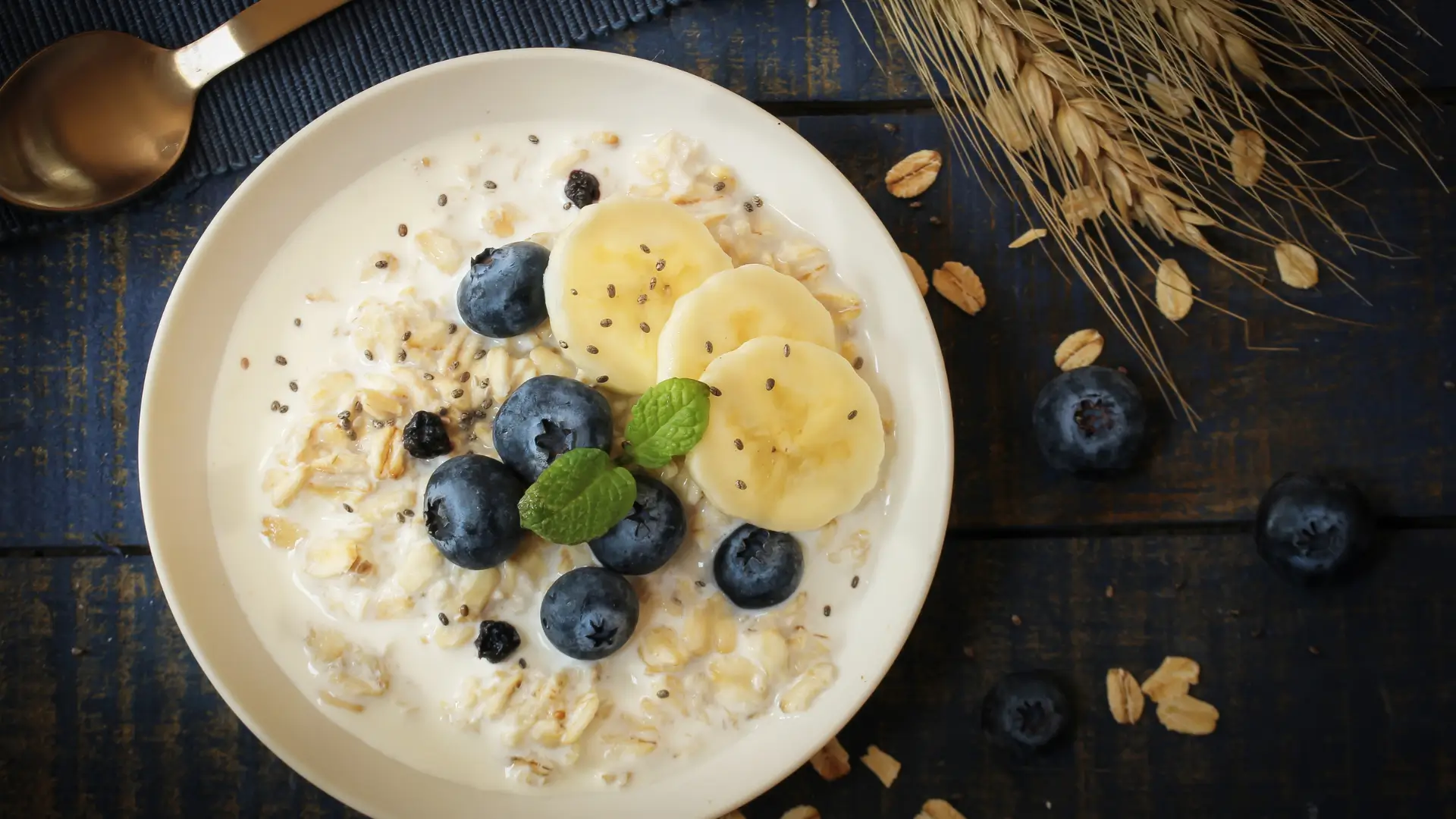
Bananas contain magnesium and potassium, nutrients involved in normal muscle and nervous system function. They are also easy to digest and make a popular evening snack or dessert option.
Bananas may help support:
Normal muscle function
Nervous system function
Relaxation before bed
Oats
Oats are a natural source of melatonin and complex carbohydrates, which help support serotonin production and relaxation. Warm oat-based treats are commonly associated with comfort and relaxation before sleep.
Eating oats in the evening may help:
Promote feelings of calmness
Support overnight fullness
Stabilise blood sugar levels
Chamomile Tea
Chamomile tea is a popular caffeine-free drink that contains apigenin, an antioxidant that has been studied for its potential calming effects. Many people drink chamomile tea as part of a calming nighttime routine to help reduce stress and support better sleep habits.
Chamomile tea may help support:
Relaxation before bed
A calming nighttime routine
A sense of sleepiness
Foods and drinks that may disrupt sleep
Some foods and drinks may negatively affect sleep quality, especially when consumed late in the evening.
Caffeine: Coffee, energy drinks, tea and chocolate may interfere with melatonin production and delay sleep onset.
Alcohol: While alcohol may initially cause drowsiness, it can disrupt sleep quality and increase nighttime waking.
Heavy or spicy meals: Large meals before bed may cause discomfort, bloating or reflux that interferes with sleep.
Sugary foods: High-sugar snacks may contribute to blood sugar spikes and crashes that affect overnight sleep stability.
Sleep habits that work best with sleep-supportive foods
Foods that help support sleep are most effective when combined with healthy nighttime habits and a consistent sleep routine. Going to bed and waking up at similar times each day can help support your body’s natural sleep-wake cycle, while reducing screen exposure and limiting caffeine later in the day may make it easier to wind down before bed. Creating a relaxing evening routine can also help signal that it is time to prepare for sleep.
Your sleep environment can play an equally important role in supporting a comfortable and restful night. Keeping your bedroom cool, dark and quiet may help create conditions that are more conducive to sleep, while a supportive mattress and comfortable, breathable bedding can contribute to overall comfort throughout the night. Combining good nutrition with a comfortable sleep environment and consistent sleep hygiene can help support better sleep quality over time.
Key takeaways
Foods that may help support better sleep include:
Kiwi fruit
Tart cherries
Almonds
Walnuts
Bananas
Oats
Chamomile tea
These foods contain nutrients linked to relaxation and sleep regulation, including magnesium, melatonin, potassium and tryptophan.
Frequently asked questions
What foods help you sleep fast?
Foods commonly linked to better sleep include kiwi fruit, tart cherries, almonds, bananas, oats and chamomile tea because they contain nutrients associated with relaxation and melatonin production.
What should I eat before bed?
Light snacks containing magnesium, protein or complex carbohydrates may help support sleep without causing discomfort before bed.
Are bananas good for sleep?
Bananas may help support relaxation because they contain magnesium and potassium, which are linked to muscle and nervous system function.
What foods should I avoid before bed?
Caffeine, alcohol, sugary snacks and heavy meals may negatively affect sleep quality or delay sleep onset.
Is it bad to eat late at night?
Eating very large meals late at night may interfere with digestion and sleep quality, though lighter snacks are often tolerated well.
Can food improve sleep quality?
Nutrition may help support sleep quality when combined with healthy sleep habits, stress management and a comfortable sleep environment.