

13/04/2026
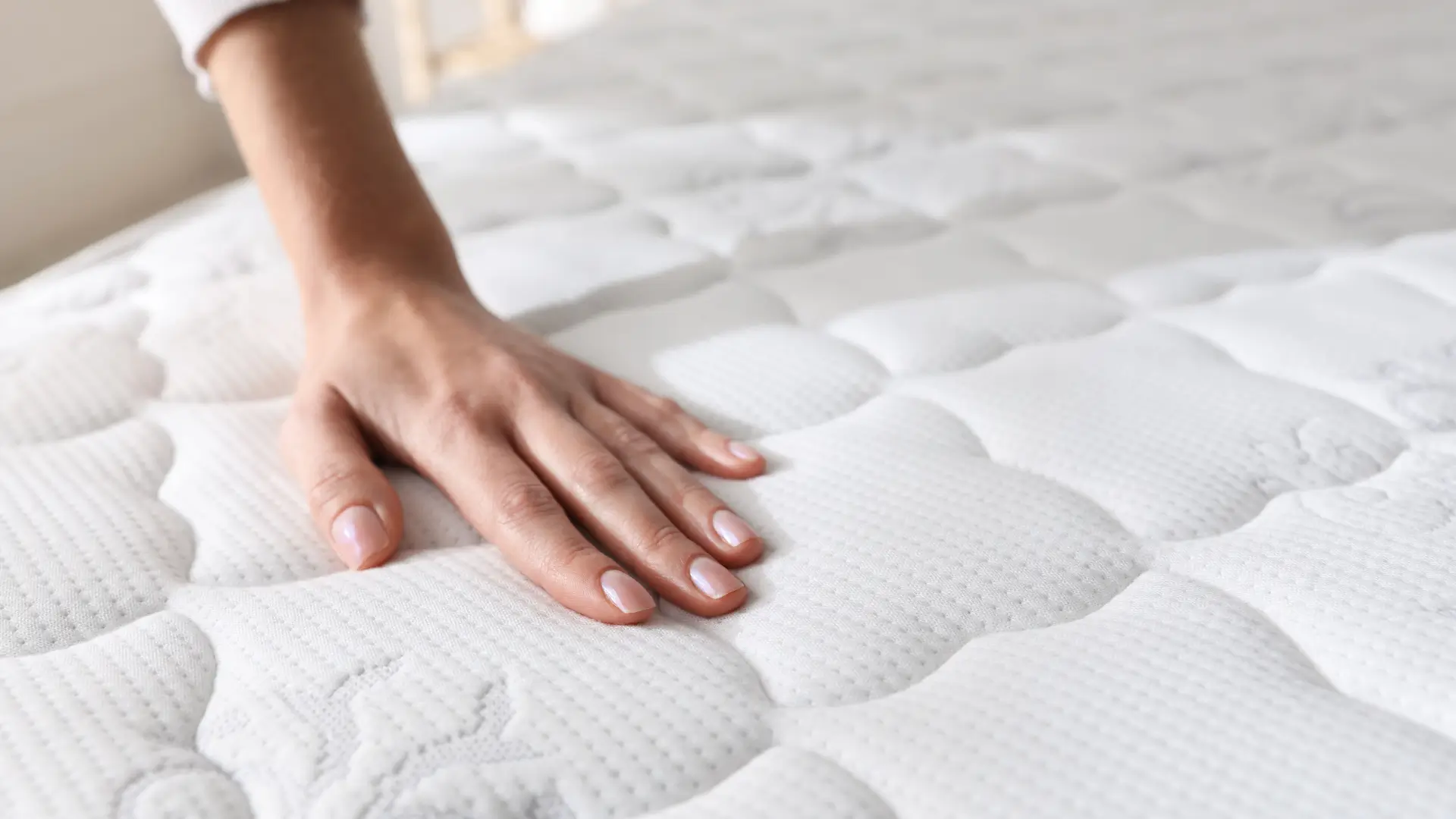
A clean mattress is the most important element of a safe, hygienic and comfortable sleep environment. While sheets, pillowcases and quilt covers are washed regularly, the mattress underneath is often forgotten. Over time, dust, sweat, skin cells, spills and everyday debris can build up on the mattress surface.
The safest way to clean most mattresses is to vacuum regularly, spot clean lightly and avoid excess moisture. For Sealy mattresses, always follow the care instructions for your specific model and avoid harsh cleaning products, detergents or soaking the mattress.
We’ve answered some of the most commonly asked questions in this guide to help you keep your mattress clean and fresh, so you can enjoy refreshing and comfortable sleep.
To clean a mattress safely, avoid soaking the surface in water or using detergents. Instead, keep it fresh by vacuuming regularly, spot cleaning any spills, and letting it dry completely before replacing your bedding.
| Cleaning concern | Best method | Avoid | Best for |
|---|---|---|---|
|
Routine cleaning |
Vacuum with an upholstery attachment on low suction |
Harsh brushing or high suction |
Dust, debris and general freshness |
|
Fresh spill |
Blot gently with a damp white cloth |
Scrubbing, soaking or rubbing |
Minor spills |
|
Light surface mark |
Spot clean gently with warm water |
Detergents, bleach or dry-cleaning chemicals |
Small stains |
|
Odour prevention |
Air the mattress and use a clean mattress protector |
Adding moisture or masking odours with strong fragrances |
Freshness and airflow |
|
Allergy-prone bedrooms |
Vacuum every 3–6 months |
Allowing dust to build up |
Reducing surface dust |
|
After cleaning |
Allow the mattress to dry completely |
Replacing bedding while damp |
Preventing trapped moisture |
Because much of Australia experiences high humidity, especially in the summer months, we recommend using a well-fitted mattress protector. This will reduce exposure to moisture, stains, sweat, dust and spills, keeping your mattress fresher for longer and ensuring it continues to offer a comfortable and hygienic sleep surface.

Before cleaning your mattress, gather simple, gentle cleaning tools. You do not need strong chemicals or heavy-duty cleaning products for routine mattress care.
You will need:
Avoid using:
The best way to clean your bed is to keep on top of regular mattress maintenance and care. When spills happen, approach them with a spot-cleaning method rather than harsh chemicals or abrasive scouring.
Here are five steps you can follow for regular mattress cleaning and care.

Start by removing sheets, pillowcases, quilt covers, blankets, mattress toppers and the mattress protector. Wash your bedding according to the care label, including your pillows.
This is also a good time to inspect your mattress protector. If it is stained, worn, torn or no longer fitting properly, it may not be giving your mattress the protection it needs.

Use a vacuum to regularly remove dust and debris on the surface of your mattress. This a good way to help freshen the fabric, especially if you have pets, and may help alleviate symptoms of asthma or allergies.
If your vacuum comes with attachments, use an upholstery attachment or nozzle so that you can get into any dips in the panel. Use low suction and avoid pressing too hard, favouring slow, gentle passes over the surface.

If you notice a small spill or stain, treat it as soon as possible. Use a clean white cloth dampened with warm water and gently blot the affected area.
Do not scrub the fabric or soak the material, and avoid detergents, bleach and dry-cleaning chemicals unless your product care instructions specifically state otherwise.

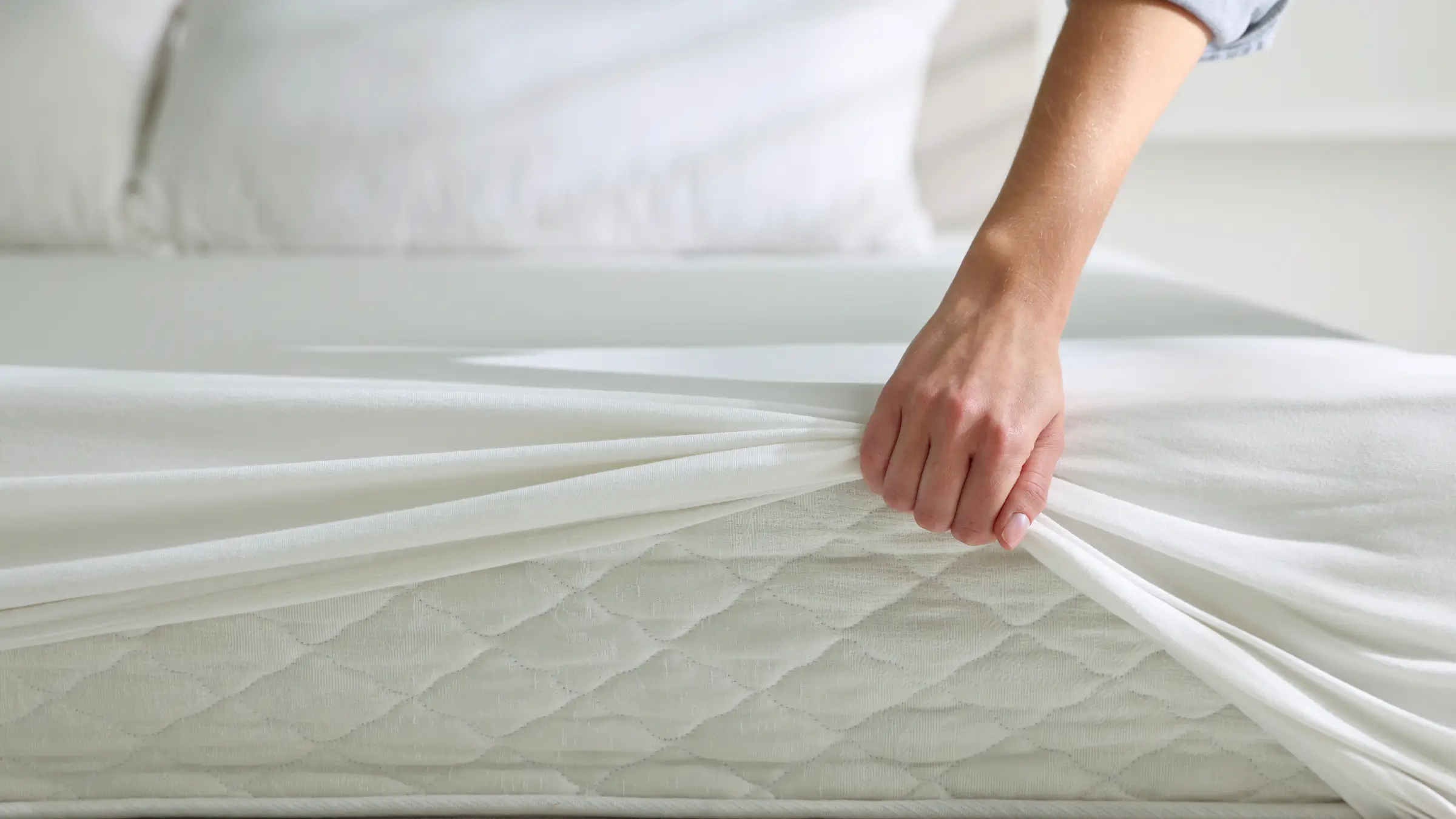
After spot cleaning, allow the mattress to dry fully before replacing the mattress protector or sheets. Good airflow is important, especially in humid Australian climates, as trapped moisture can contribute to odours, mould or mildew.
Open windows and use a fan if needed, but try to prevent prolonged sun exposure, as this can cause the fabric to fade over time.

Once the mattress is completely dry, fit a clean mattress protector before replacing your sheets. If you are concerned about future spills or stains, a waterproof protector may be ideal, especially for children’s beds.
A mattress protector helps create a washable barrier between your body and the mattress surface, reducing exposure to sweat, body oils, spills, pet dander and everyday debris.
On occasion, cleaning your mattress goes beyond routine maintenance. We’ve supplied answers to questions about spills, stains and odours below.
The most important mattress cleaning rule is to avoid excess moisture. Mattresses are not designed to be washed like bedding; soaking the surface can make drying difficult, and in some cases may damage the interior layers.
As a general rule:
Never soak the mattress; moisture trapped in the comfort layers of a mattress can lead to mould and bacterial growth
Never replace bedding or mattress protectors while the surface is damp
Avoid scrubbing or scouring the surface to remove stains, as this may damage the fabric and spread the stain
Avoid using detergents or bleach, which may leave residue or damage the foams and fabrics
Avoid steam cleaning due to the heat and moisture applied to the surface
These are easiest to manage when treated quickly, preventing odours and stains from settling into the fabric. Test any spot-cleaning approach on an inconspicuous area first.
Yellow stains are often caused by sweat, body oils, bedwetting and some drink spills. The best approach is prevention, using a breathable, washable mattress protector.
If the stain is light yellow and relatively fresh, try spot cleaning the area:
If the stain is large, old, has a strong smell or was caused by a significant liquid spill, consider professional advice. If your mattress is a Sealy, please speak with our customer care team for assistance. You may also wish to consider replacing your mattress if it is showing visible sign of deterioration.
Odours are often linked to trapped moisture, sweat, spills or poor ventilation. If there is a smell that persists after airing and routine cleaning, check the mattress protector, bedding and bed base for signs of moisture or mould.
The safest way to reduce mattress odours is to:
It is best not to use detergents, dry-cleaning chemicals, bleach or harsh cleaners on a mattress. These products may damage the mattress fabric or internal materials. Harsh cleaning products can also leave residue on the sleep surface. As you spend many hours close to your mattress each night, gentle cleaning is usually the safest approach. Always check the care instructions for your mattress before using any product on the fabric.
Steam cleaning is not recommended for many mattresses because it introduces heat and moisture into the mattress. Excess moisture can be difficult to remove and may increase the risk of odours, mould or mildew if the mattress does not dry completely.
If your mattress has a serious stain, mould concern or significant liquid exposure, seek professional cleaning advice. If your mattress is a Sealy, please speak with our customer care team for assistance. For routine care, vacuuming, careful spot cleaning and using a mattress protector are safer and more practical options.
Most mattresses should be vacuumed every 3–6 months and spot cleaned only when needed. Bedding should be washed more often, particularly sheets. Homes with pets, children, warm sleepers or allergy-sensitive sleepers may need more frequent care, washing bedding and mattress protectors more often to prevent symptoms flaring up.
We’ve prepared a quick reference table below, but as always, please consult the care labels on your bedding, pillows, mattress and base for appropriate washing instructions. Different materials may need specialised care or may not be suitable to washing at all, in some instances. For example, some pillows are not suitable for washing. See our guide: Tips for washing and caring for your pillow
| Task | Suggested frequency |
|---|---|
|
Wash sheets and pillowcases |
Weekly or as needed |
|
Wash mattress protector |
Every 4–8 weeks |
|
Wash pillows |
Every 3–6 months |
|
Replace pillows |
Every 1–2 years |
|
Rotate mattress |
According to manufacturer guidance |
|
Vacuum mattress surface |
Every 3–6 months |
|
Inspect mattress and base |
Every 3–6 months |
|
Spot clean spills |
As soon as possible |
Australian bedrooms can vary significantly by climate. Warm, humid regions may need extra attention to airflow and moisture control, while cooler regions may need care during winter when rooms are less ventilated.
The below tips will keep your mattress clean, fresh and prolong its useable life no matter which region of Australia you live in.
A mattress protector is one of the easiest ways to safeguard your mattress. Because they prevent stains, sweat and everyday debris from reaching the mattress surface, mattress protectors are especially useful for allergy-sensitive sleepers, homes in humid climates and families with pets. If you are concerned about liquids or stains, a waterproof protector is a better option, especially for children’s beds.
Check your current protector for any holes or signs of deterioration. A poorly fitted or damaged protector may not offer the same resistance to spills or wear and tear if it bunches up or shifts during the night.
Regularly washing your sheets helps maintain a clean, hygienic sleep environment. It removes dirt, oils, and allergens that can build up over time, keeping your bed fresh and comfortable. You should also wash your pillows from time to time, so long as they are made of washable materials.
Regularly rotating your mattress ensures an even amount of wear across the surface. This is an important part of mattress care, especially if it’s new, as it prolongs the usable life of your mattress.
To do so, rotate the mattress from head to foot according to your product care instructions. This should be done every 2 weeks while the mattress is new (up to roughly 3 months), and then once every 3 months for the remainder of its lifespan. Avoid bending or folding the mattress during rotation. If your mattress is large or heavy, ask another person to help move it safely. Note that Sealy mattresses are single-side only, so they should not be flipped or used upside down.
It is important to use a mattress on a suitable bed base rather than placing it directly on the floor. A supportive base maintains mattress performance and reduces the risk of moisture build-up underneath. Placing a mattress directly on the floor can limit airflow, especially in humid rooms or cooler months when condensation may be more likely. Over time, poor ventilation can contribute to odours or moisture problems.
Similarly, if your base is damaged or poorly constructed, your mattress may not be level, reducing the comfort and support provided.
To maintain your bed base:
You may also find these guides useful:
What is the best way to clean a mattress?
To maintain the quality and longevity of your mattress, we recommend following the cleaning instructions provided on the label. For spot cleaning, please use a damp cloth to gently address any stains. It’s important to avoid excessive moisture, as this can affect the internal components of the mattress, including the spring system.
How often should I clean my mattress?
We recommend cleaning your mattress every 3-6 months. This is especially helpful if you suffer from allergies. The best way to get rid of dust mites is by using a vacuum with an upholstery attachment on low suction.
What causes yellow stains on a mattress?
Yellow stains on a mattress are often caused by sweat and body oils. These are normal bodily functions, and are also the main reasons why pillows begin to turn yellow. Yellow stains can be avoided by using a high-quality mattress/pillow protector.
How do I prevent yellow stains on a mattress?
Yellow stains are commonly linked to sweat, body oils and spills. The best prevention is to use a washable mattress protector, clean bedding regularly and keep the mattress dry and well ventilated.
Can I use a carpet cleaner on a mattress?
It is best not to use any cleaner or machine that may oversaturate your mattress, as this could damage the construction and materials of your bed. In addition, soaking the fabric may cause mould and mildew.
What's the best thing to clean a mattress with?
To clean your mattress, use a damp, non-abrasive white cloth and sponge gently at the affected area. It is better to only use warm water; do not use detergents or dry cleaning chemicals.
Can you put a mattress on the floor?
We recommend using a base to provide better support and prolong the life of your mattress. Placing your mattress directly on the floor, especially in humid climates, can lead to the growth of mould and mildew due to moisture buildup from the floor surface. A base ensures proper airflow, reduces moisture retention and adds support, all of which contribute to a more comfortable and longer-lasting mattress. You can explore our Sealy bases here.
Can I put sheets back on after spot cleaning?
Only replace sheets after the mattress is completely dry. Putting bedding on a damp mattress can trap moisture and may contribute to odours or mould.
When should I replace my mattress instead of cleaning it?
Consider replacing your mattress if it is sagging, uncomfortable, damaged, mouldy, persistently odorous or no longer providing the comfort and support you need. Cleaning can help maintain freshness, but it cannot restore a mattress that has reached the end of its useful life.
