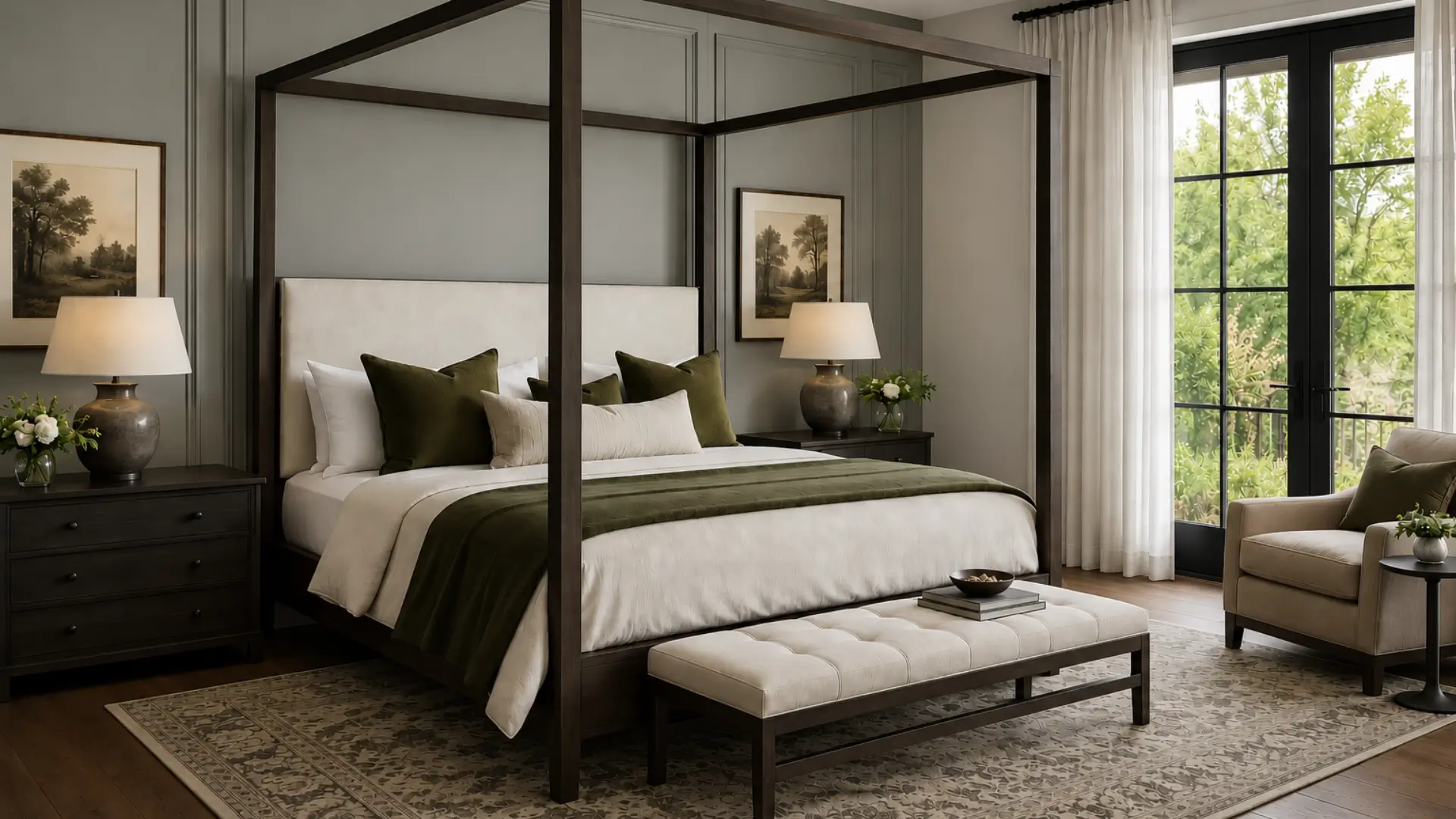
Four poster bed in green bedroom

The right bed can make a significant difference to your comfort, sleep quality and lifestyle. Some beds are better suited to particular sleeping arrangements and stages of life, while in other cases, the need for storage or floor space may dictate the choice of bed that works best for you. 

This guide explores 10 popular types of beds, from adjustables and four-poster beds to futons and Murphy beds. We explain what makes each one unique and whether it will suit your needs, helping you decide which option is the best fit for your space.

Standard beds and mattresses

Before exploring specialised bed styles, it’s worth mentioning the standard bed types popular in most Australian homes. A typical bed consists of a mattress supported by a bed frame or base. Bases come in a wide range of styles, including timber bed frames, metal frames, and upholstered bed frames or ensemble bases. You can also choose from different mattress types, such as innerspring, pocket spring, memory foam, latex and hybrid mattresses, each offering a different feel and level of support.

While these traditional options suit many bedrooms, there are plenty of alternative bed designs that offer extra functionality, flexibility or space-saving benefits.

Jump to

10 types of beds

1. Adjustable beds

An adjustable or electric bed features a motorised base that raises or lowers different sections of the mattress, including the head and foot. This kind of bed should be paired with a mattress designed to flex, such as memory foam, latex or flexible hybrid designs.

Best for: Older adults; people with mobility concerns, snoring or reflux; and anyone who enjoys reading or relaxing in bed.

Key features and benefits: Allows you to customise your sleeping position for greater comfort and support. Adjustable beds can also make getting into and out of bed easier. Many models include wireless remote controls, preset positions, massage functions and under-bed lighting.

2. Storage beds

A storage bed combines a standard bed frame with built-in storage, helping you maximise space without adding extra furniture.

Best for: Smaller bedrooms, apartments, guest rooms or anyone looking to reduce clutter and make better use of available space.

Key features and benefits: Typically feature gas-lift bases that reveal a large storage compartment beneath the mattress, while others include built-in drawers along the sides or foot of the bed. Storage beds are ideal for storing spare bedding, seasonal clothing, shoes or other household items. These beds help keep bedrooms organised without compromising comfort.

3. Bunk beds

A bunk bed stacks one sleeping space above another using a single frame.

Best for: Children’s bedrooms, shared rooms, holiday homes and sleepovers where floor space is limited.

Key features and benefits: Occupies the same footprint in a bedroom as a standard bed, maximising floor space and leaving more room for play, study or storage. Available in timber and metal styles, bunk beds are a practical solution for growing families. Always choose a model that complies with Australian safety standards.

4. Trundle beds

Also known as a rollout or rollaway bed, a trundle bed features a second mattress stored underneath the main bed on wheels or supports, which can be pulled out whenever an extra sleeping space is needed.

Best for: Children’s bedrooms, guest rooms, hotels and spaces that regularly host overnight visitors.

Key features and benefits: Provides two sleeping spaces while occupying the footprint of a single bed most of the time. Some models allow both mattresses to sit at the same height, creating a larger sleeping surface when required. They’re an excellent choice for occasional guests without permanently sacrificing valuable floor space.

5. Sofa beds

Often referred to as a futon in Australia, a sofa bed functions as both a lounge and a bed, folding out into a sleeping surface when needed.

Best for: Apartments, studio homes, multipurpose rooms and households that occasionally accommodate overnight guests.

Key features and benefits: Maximises living space by serving two purposes in one piece of furniture. Modern designs are quicker and easier to convert than older models, with improved mattress comfort and supportive folding mechanisms. Available in a wide range of sizes and upholstery options, they offer a practical solution when a dedicated guest bedroom isn’t available.

6. Daybeds

A daybed is a versatile piece of furniture that functions as both a bed and a comfortable seating area, often featuring a backrest and side panels.

Best for: Guest rooms, home offices and multipurpose spaces where a full guest bed is not practical.

Key features and benefits: Offers a stylish alternative to traditional guest beds while providing everyday seating. Many include trundle beds or built-in storage underneath. Their compact size and decorative appearance allow daybeds to blend easily into living spaces while remaining ready for overnight guests or daytime rest.

7. Four-poster & canopy beds

A four-poster bed features four tall posts at each corner, while a canopy bed extends those posts with an upper frame that can support fabric drapes.

Best for: Larger bedrooms with generous ceiling height, especially where the bed is designed to be the room’s focal point.

Key features and benefits: Adds height and visual interest to the bedroom. Canopy designs can accommodate sheer curtains for privacy or decoration. The posts are often decorative in design and carved from timber.

8. Murphy (wall) beds

Also known as a wall bed, a Murphy bed folds vertically into a cabinet or wall unit when not in use.

Best for: Studio apartments, guest rooms, home offices and compact or multifunctional spaces.

Key features and benefits: Frees up valuable floor space during the day, allowing the room to serve multiple purposes. Many modern designs integrate shelving, desks or wardrobes into the surrounding cabinetry for even greater functionality. Quality lifting mechanisms make raising and lowering the bed simple while keeping the mattress securely supported.

9. Loft beds

A loft bed elevates the sleeping area above the floor, leaving usable space underneath for furniture, storage or study.

Best for: Children’s and teenagers’ bedrooms, university dorm rooms and small apartments.

Key features and benefits: Unlike bunk beds, loft beds have no lower mattress, allowing the space beneath to be customised with a desk, lounge, wardrobe or shelving. This design expands usable floor area while creating a dedicated study or storage zone. Many models include integrated ladders and safety rails.

10. Futons

While the term “futon” is often used in Australia to describe a sofa bed, a traditional Japanese futon is a foldable bed that is laid directly on the floor at night and stored away during the day.

Best for: Minimalist homes, compact apartments, guest accommodation and anyone looking for a flexible sleeping solution that can be packed away when not in use.

Key features and benefits: Lightweight and easy to roll up and store, futons typically consist of a thin mattress paired with a quilt and pillow, creating a comfortable sleep setup without the need for a permanent bed frame. Their versatility makes them well suited to multipurpose rooms, while their minimalist design appeals to those seeking a simple, space-conscious solution.

How to choose the right type of bed

The best type of bed depends on your space, lifestyle and personal preferences. Start by measuring your bedroom carefully, allowing enough room to move comfortably around the bed and open drawers or wardrobes. If you’re furnishing a smaller room, space-saving options like storage beds, Murphy beds, loft beds or sofa beds can help take advantage of every square metre.

Next, consider who will be using the bed. Children may benefit from bunk beds or trundle beds, while guest rooms often suit sofa beds or daybeds. If comfort, mobility or health is a priority, an adjustable bed may provide additional support and flexibility.

Take into account any storage needs, as well. Beds with built-in drawers or gas-lift storage can reduce clutter where cupboard space is lacking. Similarly, loft beds allow you to tuck drawers, desks and storage baskets underneath the bed without cluttering the rest of the bedroom.

Finally, choose a style that complements your home’s decor. Whether you prefer an upholstered base or the statement look of a four-poster bed, selecting a design that suits both your practical needs and personal taste will help create a bedroom that’s comfortable and inviting.

Key summary

  • Specialised beds offer additional functionality beyond a traditional combination of a mattress and ensemble or slat base.
  • Space-saving designs such as storage beds, bunk beds, trundle beds and sofa beds make the most of smaller spaces and multipurpose rooms.
  • Adjustable beds, loft beds and bunk beds cater to different lifestyles and age brackets, whether prioritising accessibility and recovery or facilitating sleeping arrangements for children and teenagers.
  • Daybeds, sofa beds, Murphy beds and trundle beds are especially useful in situations where guests and sleepovers are only occasional and a guest bed is impractical.
  • The best bed choice depends on your room size, storage requirements, who will be using the bed and the overall style you want to achieve in your space.

Frequently asked questions

What are the different types of beds in Australia?

Common bed types in Australia include standard bed frames, adjustable beds, storage beds, bunk beds, trundle beds, sofa beds, daybeds, four-poster beds, canopy beds, Murphy beds, loft beds and futons. Each offers different features suited to various room sizes and lifestyles.


What type of bed is best for small rooms?

Standard single beds, storage beds, Murphy beds, loft beds, trundle beds and sofa beds are all excellent choices for small rooms because they maximise floor space or provide extra functionality without requiring additional furniture.

Do all mattresses work with adjustable beds?

Adjustable beds require flexible mattresses that can bend with the base. Memory foam, latex and many hybrid mattresses are compatible, while some traditional innerspring mattresses may not be suitable. Sealy offers a range of flexible mattresses with spring support systems designed to articulate with adjustable beds.

Are storage beds difficult to lift?

Most gas-lift storage beds use hydraulic mechanisms that make raising the mattress relatively easy. Once lifted, the base stays open while you access the storage compartment underneath.

What bed is best for guest rooms?

A supportive ensemble in medium firmness is often ideal for most guests. If you are limited in terms of floor space, daybeds, sofa beds and trundle beds are all excellent options as they provide comfort without permanently dedicating the room to overnight accommodation.