A squeaky bed can be frustrating, particularly when the noise interrupts an otherwise quiet and comfortable sleep environment. While the occasional creak may be harmless, persistent squeaking can indicate movement somewhere within your mattress, bed frame or foundation. Fortunately, the cause is often relatively simple to identify, and in some cases can be resolved with basic maintenance.
In this guide, we explain how to identify the source of a squeaky bed using three simple troubleshooting steps. We also cover what to avoid when attempting DIY fixes, how to maintain your mattress and bed base, and why a stable, supportive foundation is important for the long-term performance of your mattress.
Jump to:
The importance of a bedframe or base
A supportive bed base plays a crucial role in the comfort, performance and longevity of your mattress. It provides a stable surface beneath the mattress, helping to distribute weight appropriately and minimise unnecessary movement or stress. The right foundation can also help your mattress maintain its shape, and by allowing ventilation, promotes airflow for a healthier, more hygienic sleep surface.
A squeaky sound may simply be an indicator that a bolt or castor needs tightening, or it could be a sign that your base is gradually becoming unserviceable. An old, damaged or poorly supported base can affect how a mattress feels and performs, potentially creating the impression that it is sagging or uneven. Check that your foundation is structurally sound and compatible with your mattress, and consider replacing it if necessary.
3 troubleshooting tips for a squeaky bed
This simple three-step process can help you identify where the squeaking is coming from and determine what to do next. Start by isolating the mattress from the base before checking for loose hardware or uneven legs or castors. Finally, inspect the slats and supporting structure to make sure your mattress is resting on a firm, stable foundation.
Isolate the source of the squeak
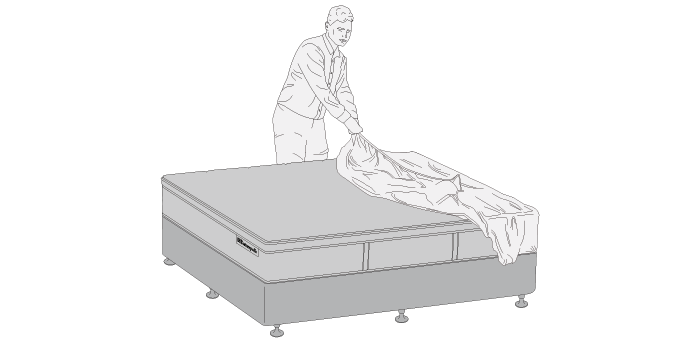
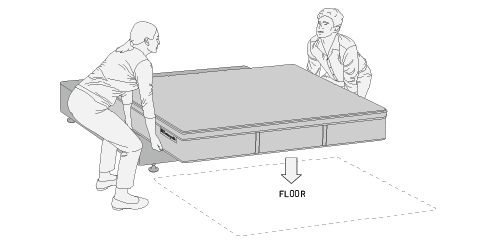
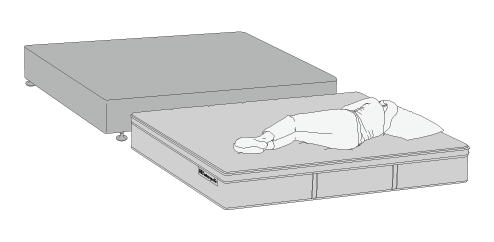
To help identify the source of a squeaking or noisy bed, first remove the mattress protector, bedding, toppers and electric blankets, as these can affect how the mattress performs and make it more difficult to pinpoint the cause. Next, place the mattress directly on the floor to isolate it from the bed base or slat foundation. Lie on the mattress as you normally would, changing positions a few times to see whether the sound can still be heard.
If the noise persists, it is likely coming from your mattress and its internal components. In this case, we recommend contacting the mattress manufacturer or your retailer of purchase. If your mattress is a Sealy, please contact our customer care team for assistance.
If the noise is no longer present, the cause is likely the base or foundation rather than the mattress itself; in this case, proceed to steps 2 and 3.
Tighten all bolts, legs and castors
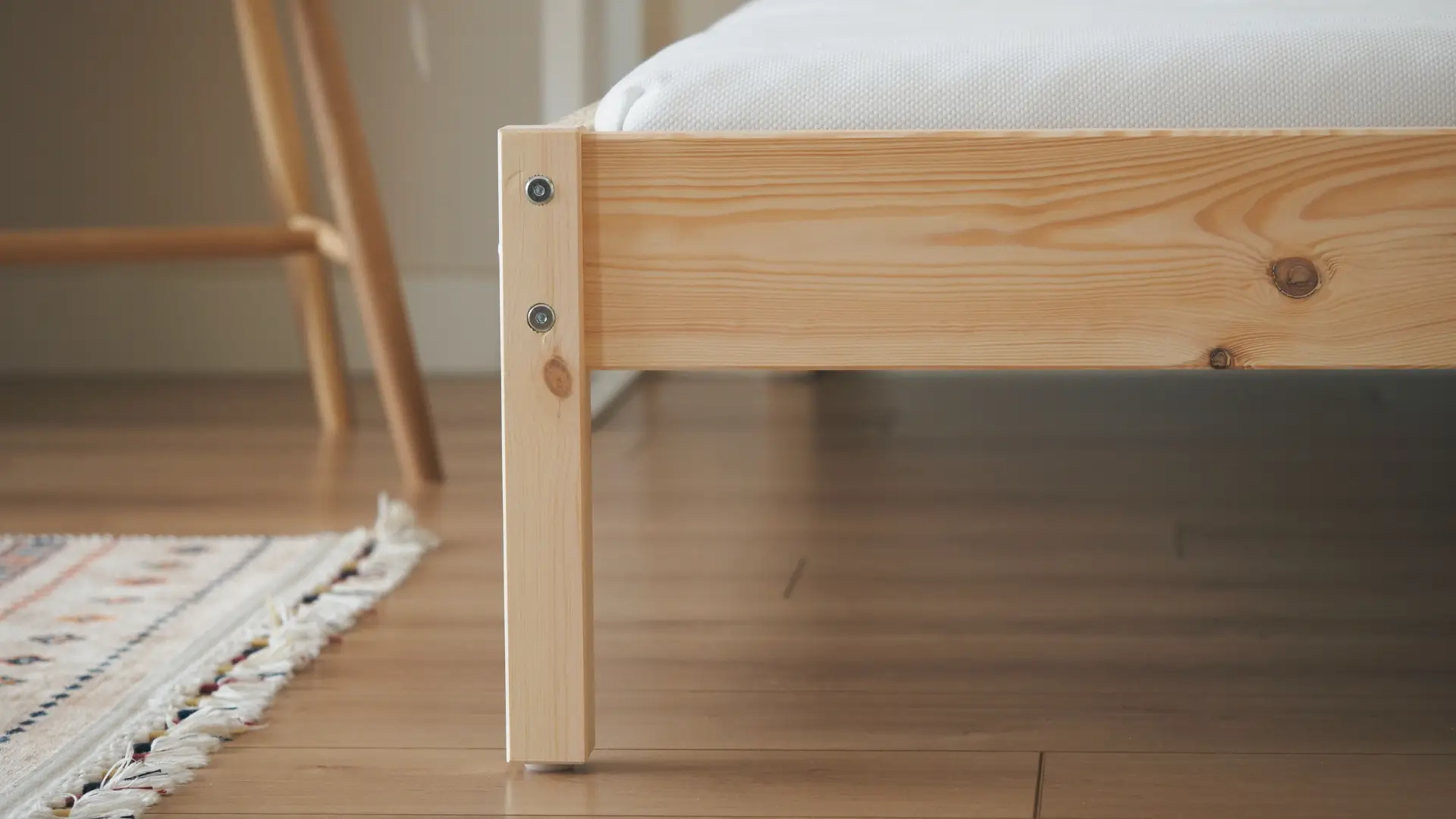
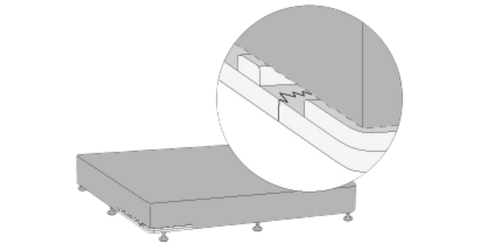
Loose hardware is one of the most common causes of squeaking in bed frames, especially wooden frames, as movement between joints and connection points can create unwanted noise. Carefully check and tighten each connection around the frame, including where the headboard attaches, if you have one. While checking the hardware, inspect the base frame for any visible signs of damage, bending or loose components.
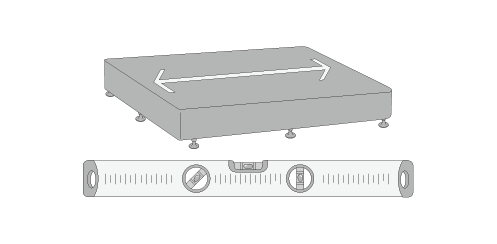
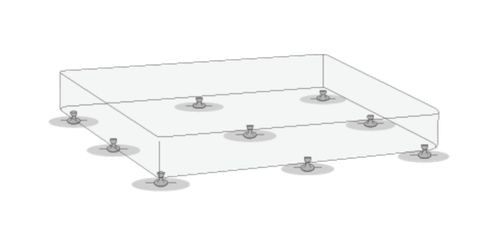
Make sure all glides, legs or castors are securely screwed in and sitting evenly on the floor at the same time, as an uneven base can cause additional movement. It is worth tightening these approximately every 3 months to catch loose connections before they lead to persistent squeaking or other issues.
Check the slats are supportive
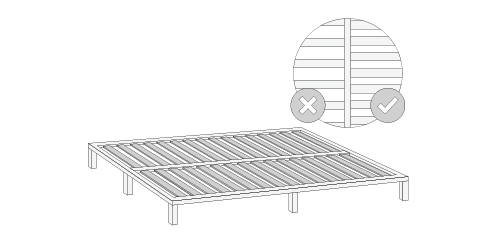
If your bed base has slats, check for any loose, bowed, cracked or damaged slats, as these can create movement and noise when weight is placed on the bed. Make sure they are firm, evenly spaced and securely fixed to the frame to prevent movement or squeaking. The base should provide an even, stable surface for your mattress to rest on, with gaps between the slats no wider than the slats themselves.
For larger mattress sizes, such as Queen, King and Super King, the slats should also be supported by a sturdy centre rail running head to foot for support, along with a leg in the middle of the base touching the floor. These features help to prevent the mattress from dipping in the middle when weight is applied.
If your base continues to make squeaking sounds after addressing these three steps, we recommend contacting the manufacturer or your retailer of purchase for assistance or advice. If your base is a Sealy, please contact our customer care team for assistance.
What not to do when fixing a squeaky bed
Some common DIY solutions for a squeaky bed may not be suitable for every bed frame or foundation. Always check the manufacturer’s care instructions for your mattress and base before attempting any repairs or maintenance.
To avoid accidentally damaging your mattress, bed frame or surrounding furniture, avoid the following:
Spraying chemicals or using lubricants – avoid applying cleaning products or lubricants directly onto wooden frames or metal components. Some products can damage finishes, stain surfaces or affect the timber over time.
Over-tightening bolts – bolts and screws should be secure, but excessive force can strip the threading, damage fittings or potentially crack wooden rails and frames.
Ignoring damaged slats – a cracked, bowed or broken slat generally needs to be repaired or replaced. Lubricating or tightening the surrounding components will not resolve structural damage.
Assuming the mattress is the cause — squeaking can come from the mattress, base, slats, headboard or connection points. Isolate and test each component before deciding where the problem lies.
How to maintain your mattress and bed base
In order to protect your sleep investment and prevent your mattress or base from becoming damaged, ensure they are handled correctly at all times. Improper handling or use may expose the bed to accelerated damage and cause squeaking.
Avoid letting anyone jump on your mattress, as this may damage the innerspring system or edge support.
Never try to move a mattress alone; you may wish to enlist the help of removalists to safely move your mattress.
Always carry a mattress on its side and when navigating through a door or around a corner, do not bend it or try to fold it in any way.
Use the mattress handles (where fitted) for repositioning purposes only; they are not designed for lifting or carrying the mattress.
If your base has drawers or storage compartments, ensure you adhere to storage limits and weight capacity to avoid causing damage.
If you have an adjustable or electric bed base, ensure your mattress is specifically designed and approved for use with an articulating base.
Frequently asked questions
Why does my bed squeak when I move?
A bed may squeak due to loose bolts, moving slats, uneven legs or castors, or wear within the mattress or base. Isolating the mattress from the foundation can help identify where the noise is coming from.
How do I stop my bed frame from squeaking?
Check that bolts, screws, legs and castors are secure and that the frame is sitting evenly on the floor. If your bed has slats, make sure they are secure, evenly spaced and free from damage.
Can a mattress cause a squeaking noise?
Yes. To test this, remove the mattress from its base, place it on the floor and lie on it normally. If the squeaking continues, the mattress may be the source of the noise.
When should I replace a squeaky bed base?
Consider replacing your base if it is damaged, unstable, has broken or bowed components, or continues to squeak despite basic maintenance. A worn foundation can also affect the support and performance of your mattress.