Choosing the right mattress starts with understanding how you sleep and what you need from your bed.
Your sleep position, body weight, preferred comfort level and support needs all influence which mattress feels best for you. You should also consider mattress construction, its size, whether you share the bed, and your overall budget.
Where possible, test shortlisted mattresses in your normal sleeping position before making a final decision. In this article, we provide a series of tips on how to test a mattress in store and some common questions to consider when shopping for a new mattress.
Not sure where to start?
Use the Sealy Mattress Selector to narrow down your options based on your comfort and sleep preferences.
There is no single mattress that is right for everyone. To narrow down your options, consider four key areas:
Position: Your usual sleeping position, weight and body shape affect where your body places pressure and how much cushioning feels comfortable.
Comfort: Consider whether you prefer a softer, medium or firmer feel, remembering that firmness is a personal preference often informed by sleep position.
Support: Look for appropriate underlying support to help maintain spinal alignment.
Lifestyle: Include other relevant factors in your choice, such as mattress size and bedroom space, whether you share the bed, temperature concerns, overall quality, budget and your existing bed base.
Create a shortlist, then test your preferred mattresses in-store to compare comfort, support and overall feel.
How to choose the right mattress for you
The right mattress should have you waking up feeling refreshed in the morning after a night of restful, comfortable sleep.
There are various kinds of mattresses on the market that deliver different levels of support and comfort. In order to sleep soundly, you need the right balance of these elements in a mattress that offers long-lasting quality.
What is your sleep position and body shape?
Your sleeping position affects how your body interacts with the mattress, including where pressure is concentrated and how much cushioning may feel comfortable. As a result, different sleeping positions benefit from different firmness levels, making your usual position a useful starting point when comparing mattresses.
These are general guides rather than fixed rules, as your weight, body shape and personal comfort preferences will also influence how a mattress feels to you.
Side sleepers
Side sleepers usually prefer a mattress that has a softer comfort rating, allowing your mattress to contour to your shoulders and hips while maintaining your natural sleeping position. This helps disperse pressure and improves circulation, reducing the chance of tossing and turning at night.
Suited to: Medium, Plush, Ultra Plush
Back sleepers
When you sleep on your back, you distribute your weight fairly evenly across the surface of the mattress. A medium amount of comfort will ensure that your shoulders, back and hips are cradled with the right amount of conformance, while the rest of your body can enjoy comfortable rest.
Suited to: Medium, Firm, Ultra Firm
Stomach sleepers
Front sleepers often benefit from firmer comfort layers that maintain spinal alignment throughout the night. Mattresses that are too soft may cause neck and back pain as the body dips and muscles become strained, especially around the midsection, pelvis and hips.
Suited to: Medium, Firm, Ultra Firm
Combination sleepers
Combination sleepers move between two or more sleeping positions during the night. A mattress that responds easily as you move can make changing position more comfortable. Your ideal comfort may depend on which positions you tend to settle into more frequently throughout the night.
Suited to: Plush, Medium, Firm
Consider your body weight and shape
Your weight, height and shape influence how a mattress feels. A heavier sleeper may sink further into the comfort layers of a mattress, while a lighter sleeper may notice less compression. This means two people can have very different experiences on the same mattress.
Mattress feel can be influenced by:
Body weight
Height
Body shape
Sleeping position
Thickness of the comfort layers
Personal firmness preference
When choosing a mattress, it is vital to try several options in person to evaluate whether the comfort level is right for you. This becomes more important if you share your bed with a partner.
How firm should your mattress be?
The right mattress firmness is largely a matter of personal comfort. Depending on the mattress manufacturer, there may be a variety of firmness options for you to choose from.
A softer mattress generally provides more cushioning and an enveloping sensation, allowing areas such as the shoulders and hips to settle further into the comfort layers. Plush mattresses may sometimes feel warmer.
Suited to: Side sleepers, combination sleepers
Medium
Medium comfort balances cushioning and a more stable surface feel. It suits sleepers who prefer some softness without sinking in too much. Because of its versatility, the medium option is often favoured in guest rooms.
Suited to: All sleepers
Firm
A firm mattress provides a more stable feel with some cushioning. Some sleepers prefer this comfort level if they do not enjoy deeper cushioning. Firm comfort often feels cooler than plush.
Suited to: Back sleepers, stomach sleepers
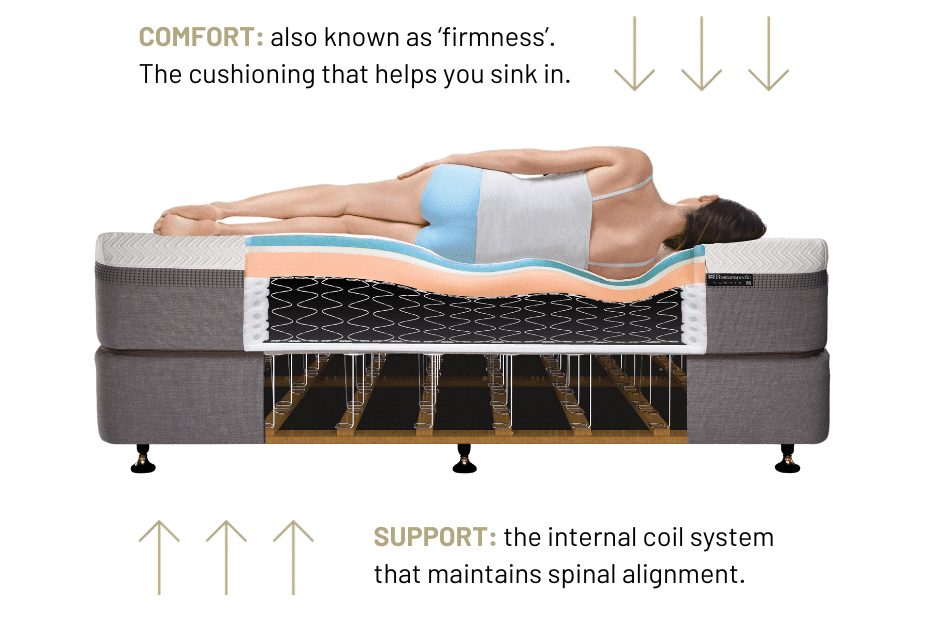
Firmness is not the same as support
Mattress firmness and mattress support describe different properties.
Firmness or comfort refers to how soft the surface of the mattress feels when you lie on it. This quality is determined by the foams and comfort layers that comprise cushioning directly beneath the quilt layer.
Support refers to how the mattress responds to your body and helps maintain spinal alignment. This usually refers to the core of the mattress – at Sealy, our support options are advanced spring systems.
The aim is to choose a comfort level that allows your body to settle naturally into the mattress while the underlying support system helps maintain appropriate spinal alignment. Learn why this is important.
A mattress can have softer comfort layers while still providing strong underlying support. This is why choosing the firmest mattress does not automatically mean choosing the most supportive mattress. When comparing mattress options, consider both the comfort you feel at the surface and the support beneath it.
What support is best for you?
Support comes from the underlying structure of the mattress and should help maintain your spine in its natural alignment while you sleep. The right support should respond appropriately to your body and work together with the comfort layers above it to deliver both comfort and conformance — regardless of whether you prefer a softer or firmer feel.
At Sealy, spinal alignment is central to our Posturepedic Support Criteria, developed through orthopaedic research to help support the body in a neutral sleeping position.
Innerspring
Spring mattresses use a system of coils to provide support. Different coil designs respond to weight and movement in different ways, with advanced systems engineered to help maintain spinal alignment.
Characteristics: Responsive, structured support
Foam
Foam mattresses use layers of polyfoam, memory foam or latex to cushion and respond to the body. The level of support may vary considerably depending on the type, density and quality of the foam.
Characteristics: Deep pressure relief and cushioning
Hybrid
Hybrid mattresses combine an innerspring support system with foam comfort layers, bringing together the responsive support of coils with the cushioning and pressure-relieving qualities of foam.
Characteristics: Combined support and pressure relief
How to decide on the right type of mattress
There is no single mattress type that is best for everyone. Consider how each option suits your preferred sleeping feel, support and pressure-relief needs.
Additionally, you may want to consider temperature as a factor when choosing a mattress. Innerspring systems allow more air to circulate through the mattress, which can help reduce heat retention, while denser foams, particularly traditional memory foam, may retain more warmth.
The quality of the materials and support system is also important, so compare how different mattresses feel and perform rather than choosing by construction alone. For a more detailed comparison, read our guide on the difference between spring and foam mattresses.
Which mattress size do you need?
Your mattress should provide enough sleeping space for you to rest comfortably while fitting appropriately within your bedroom. Couples may benefit from a larger mattress where space allows, while smaller rooms may require a balance between sleeping surface and available floor space.
Before choosing, measure your bedroom and consider the dimensions of your bed frame as well as the mattress itself. For more detail, see Sealy’s Australian mattress size guide.
Single
Dimensions: 91.5 x 190cm
Suited to: Young children, teenagers, single adults
Single XL
Dimensions: 91.5 x 203cm
Suited to: Growing children, teenagers, single adults
King Single
Dimensions: 105.5 x 203cm
Suited to: Growing children, teenagers, single adults
Double
Dimensions: 138.5 x 190cm
Suited to: Teenagers, single adults, guest bedrooms
Queen
Dimensions: 152.5 x 203cm
Suited to: Single adults, couples, guest bedrooms
King
Dimensions: 183.5 x 203cm
Suited to: Couples, families with children
Super King
Dimensions: 203 x 203cm
Suited to: Families with children, luxury sleepers
Before choosing a mattress size, think about how the complete bed will fit within the room. Remember that bed frames, bases and ensembles can extend beyond the dimensions of the mattress itself, so measure the available floor space rather than relying on mattress dimensions alone.
Allow room to move: Where possible, aim for approximately 1 metre of clearance between the bed frame and surrounding walls or furniture.
Check access: Make sure you can comfortably open bedroom doors, wardrobes and drawers and move around the bed.
Consider who uses the bed: Couples or families may value additional sleeping space, while a smaller room may require a balance between bed size and usable floor space.
Think about sleeping space: Your height, body size and sleeping habits can influence how much mattress width and length feels comfortable.
Who will be sleeping on the mattress?
If you share a bed, choosing a mattress becomes a joint decision. Partners can differ considerably in body weight, height, sleeping position, comfort preference and sensitivity to temperature or movement, so a mattress that feels right for one person may not necessarily suit the other. When shopping as a couple, try the mattress together where possible and ensure both sleepers feel comfortable and appropriately supported.
Understanding partner disturbance
Partner disturbance is another factor to keep in mind when shopping for a new mattress. Movement such as rolling over, changing position or getting in and out of bed can travel across the mattress and disturb the other sleeper. A mattress with good motion isolation helps limit how much of this movement is transferred from one side of the bed to the other. If either person is particularly sensitive to movement, consider how the mattress responds when your partner changes position. Learn more about partner disturbance and choosing a mattress for couples.
What couples should look for in a mattress
Couples should look for a mattress that provides a suitable balance of comfort, support, space and motion isolation for both sleepers. Assess whether each person can settle comfortably and change position easily, whether the mattress responds appropriately to different body weights, and how noticeable movement is on the opposite side of the bed.
Mattress size can also make a significant difference when sharing a bed. Moving from a Double to a Queen or King can provide each sleeper with more personal space, making it easier to change position without encroaching on your partner’s side of the mattress. If your preferences differ considerably, testing several mattresses together can help you find a comfortable compromise. Find out how to test a mattress in-store.
How much should you spend on a mattress?
There is no specific amount everyone should spend on a mattress. Prices vary according to factors such as mattress size, construction, materials, comfort technologies, support systems and manufacturing quality, so it is important to consider overall value rather than price alone. At Sealy, we offer mattresses across a range of price points, designed for different life stages, comfort preferences and sleep needs, with world-leading sleep technology and a focus on quality, support and durability throughout the range.
When comparing options, consider how the mattress feels, the technology and quality of its construction, the warranty provided and whether it is suited to your long-term needs. A higher price does not automatically make a mattress the right choice for you; the priority is finding the right combination of comfort, support, quality and value for your individual needs.
How to test a mattress in-store
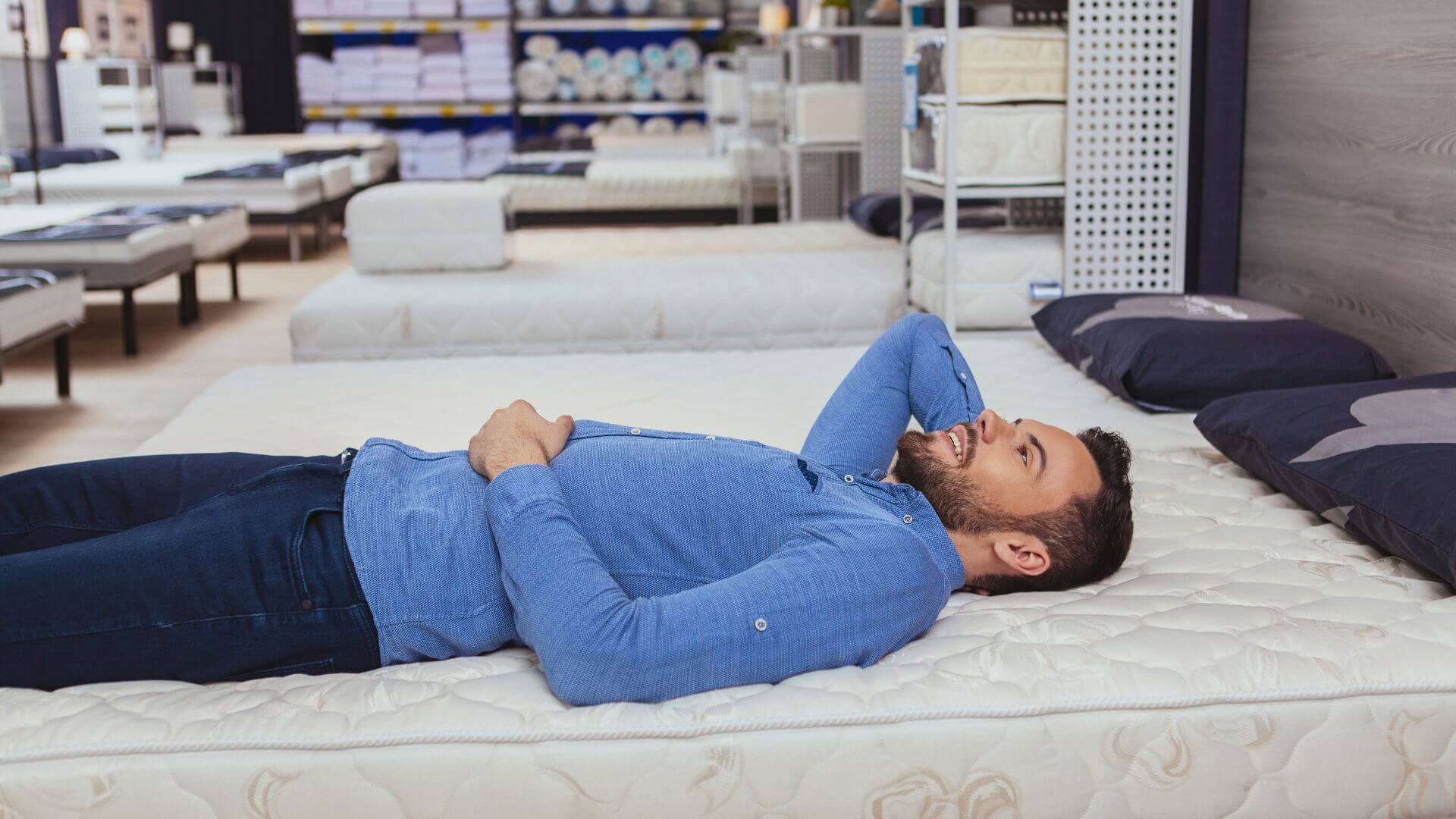
Once you have narrowed down your options, testing mattresses in-store allows you to compare how they actually feel and get a sense for the comfort and support on offer. Arrive with a shortlist where possible, wear comfortable clothing and consider bringing your usual pillow to more closely recreate your normal sleeping environment. If you share the bed, test your preferred mattresses together.
Take your time assessing each option
Spend about 15 minutes on each mattress you are interested in, whether to purchase or simply to give you a point of comparison. Lie in your normal sleeping position rather than simply sitting on the edge. Give your body time to settle into the mattress, move between your usual sleeping positions and compare how different options respond.
While testing a mattress, ask yourself:
Does the mattress feel comfortable in your usual sleeping positions?
Are pressure-sensitive areas, such as your shoulders and hips, comfortably cushioned?
Does your body feel appropriately supported without excessive sinking?
Can you change position comfortably and, if you share the bed, how noticeable is your partner’s movement?
Does the mattress suit your preference for temperature?
Ask questions in-store
A knowledgeable salesperson can help explain the differences in mattress construction, comfort materials, support systems and other technologies. Lean on their expertise where possible. You should also confirm the warranty and its conditions for your chosen mattress. Ask about the recommended bed base or foundation, delivery arrangements, mattress care requirements and whether the retailer offers a comfort exchange or trial policy.
If you’re ready to try a Sealy mattress, start with our Mattress Selector to narrow down your options before visiting a store, then find your nearest Sealy retailer to test your shortlist in person.
Do you need a new bed base with a new mattress?
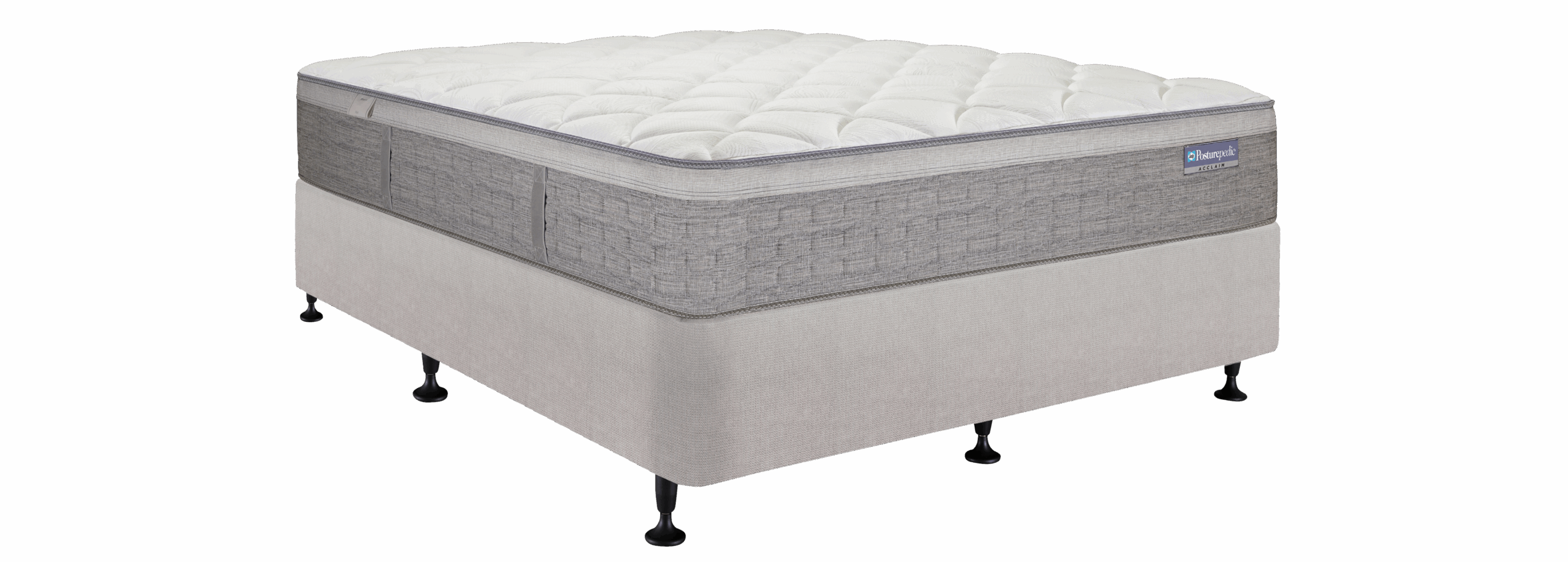
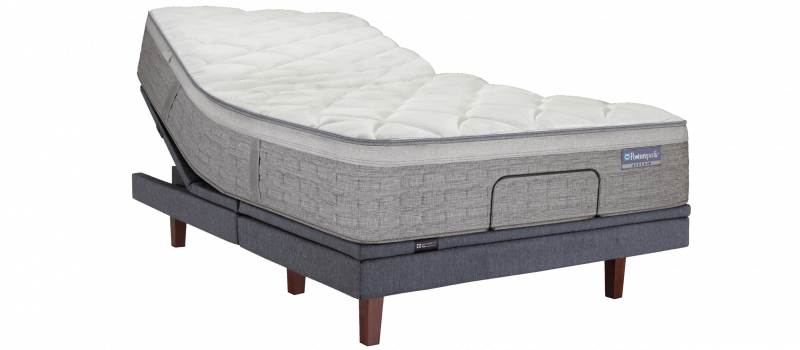
A new mattress should be used with a supportive foundation. An old, damaged or unsuitable base can affect how your mattress performs and may contribute to uneven wear over time. If you’re considering keeping an existing base, check that it is structurally sound: look for signs of damage, sagging or weakened components; ensure legs or castors are regularly tightened; and check whether your mattress warranty specifies particular foundation care. You should also make sure your base is the correct size and compatible with the mattress itself. For instance, adjustable beds should only be paired with compatible mattresses.
If you are unsure whether your existing bed base is suitable, ask the retailer when purchasing your mattress. This is also a good opportunity to confirm the recommended care instructions so you can look after your new mattress correctly from the beginning.
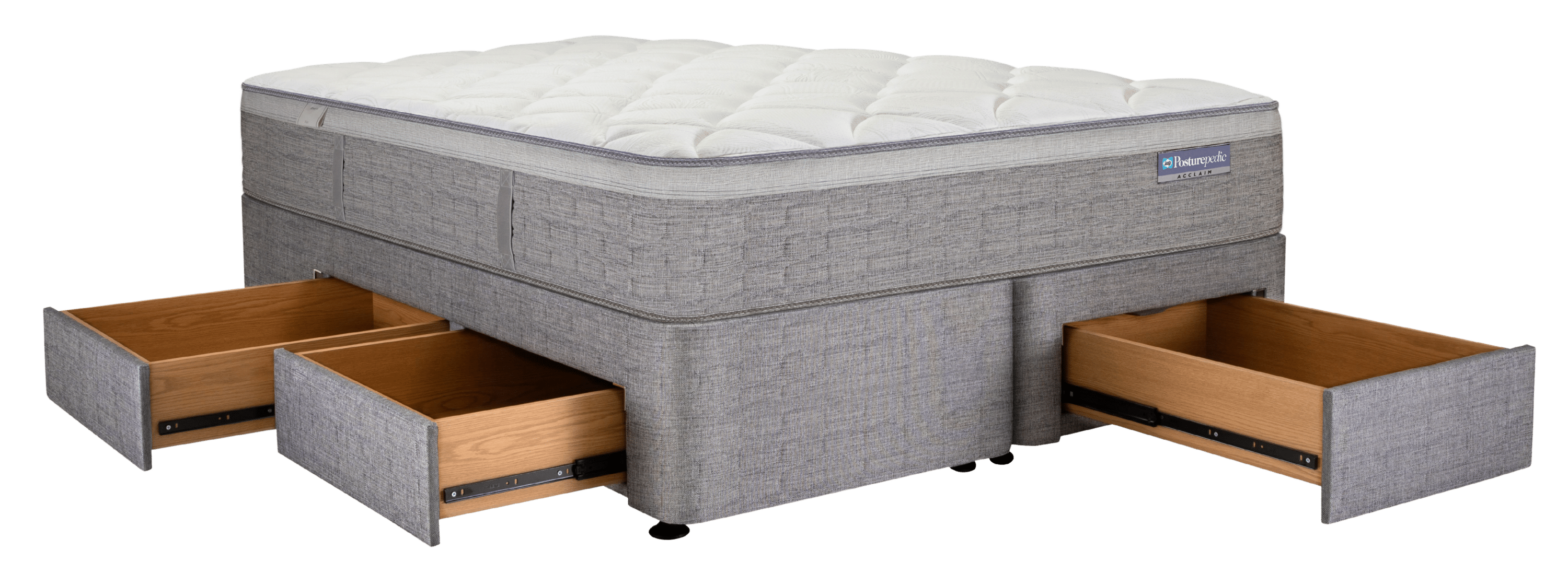
Shop the Sealy bed base range
Designer base
Designed to complement your mattress for added support and longer lasting comfort.
A quality mattress will typically last around seven to ten years, although there is no fixed lifespan that applies to every mattress. How long yours lasts will depend on factors such as its construction and quality, how frequently it is used and how well it is cared for.
Proper mattress care can help maintain its comfort, support and performance over time. Use an appropriate, supportive bed base, protect your mattress from moisture and stains, keep it clean and follow the manufacturer’s rotation and care instructions. Learn more about how to clean and care for your mattress.
Age alone does not determine when a mattress needs replacing. Visible damage, significant sagging, persistent discomfort or a noticeable decline in comfort and support can all indicate that it may be time for a new mattress. Your body and sleeping needs can also change over time, so a mattress that once suited you may no longer be the right fit. Learn more about how long a mattress should last.
Find the right mattress for you
Choosing a mattress becomes easier when you start with your own sleep habits rather than trying to find one mattress that is considered best for everyone. Take into account your sleep position, body weight, comfort preference, support needs, mattress size and budget. Then test several suitable options in your normal sleeping position and compare how they feel.
The right mattress type depends on the support you need and the feel you prefer. Innerspring, foam and hybrid mattresses offer different kinds of support, while the comfort choice from plush to firm depends on your typical sleep position and individual preferences. Not sure where to start? Try our Mattress Selector for a personalised recommendation.
How do I know which mattress is right for me?
Start with your sleep position, body weight, firmness preference and support needs. Then compare mattress types and test suitable options in your normal sleeping position. If you’re not sure where to start, try our Sealy Mattress Selector.
What should I look for when buying a mattress?
Consider comfort, support, firmness, mattress construction, size, your sleeping position, whether you share the bed, budget, warranty and the type of bed base required.
How long should I test a mattress in-store?
Where practical, spend around 10 to 15 minutes testing each mattress on your shortlist in your normal sleeping positions.
How much should I spend on a mattress?
There is no single ideal budget. Compare comfort, construction, materials, warranty and long-term suitability rather than choosing a mattress based on price alone.
What mattress firmness should I choose?
There is no firmness level that suits everyone. Your preference can depend on your sleep position, body weight and how soft or firm you prefer your sleeping surface to feel.
Is a firm mattress always better for your back?
Not necessarily. A firmer feel does not automatically mean better support. Comfort and support should be considered together based on your body and sleeping preferences.
How long should a good mattress last?
Mattress lifespan varies according to construction, materials, usage, sleeper weight, care and the bed base supporting it. Ideally, a good mattress should last approximately seven to ten years. Consider replacement when the mattress no longer provides suitable comfort or support.